
 By
You finish a workout, drink your water, and tick another session off your weekly fitness plan. Yet, by the end of the day, you still feel tired, struggle to focus, or find it difficult to switch off at night. Exercise is an important part of staying healthy, but it cannot meet every need of the body. Energy, sleep, nutrition, emotional balance, and daily recovery all influence how well you feel. Looking beyond exercise can help create a routine that supports your health throughout the day, not just during time spent at the gym.
Key Takeaways
- Whole body wellness involves physical health, mental wellbeing, sleep, nutrition, and recovery.
- Exercise works best when balanced with enough rest and everyday movement.
- Regular meals and proper hydration support energy and normal body functions.
- Stress management and quality sleep influence how the body feels and performs.
- Small, repeatable habits are often easier to maintain than strict lifestyle changes.
- Wellness treatments can complement healthy routines but should not replace basic health practices.
Your Health Is Shaped Between Workouts
A fitness session may last an hour, but the body continues working long after you leave the gym. Muscles recover, energy stores are replenished, and the nervous system adjusts to the demands placed on it. These processes depend on what happens during the remaining hours.
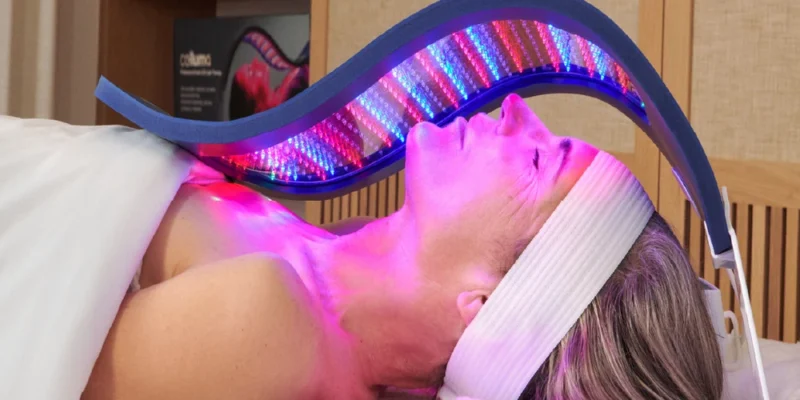
This is where a broader approach to wellness becomes useful. Celluma Red Light Therapy can also help in personal care and recovery, adding a light-based option to the range of wellness practices people explore. Its place is best understood alongside everyday habits, rather than as a substitute for sleep, nutrition, or physical activity.
A balanced routine does not need to involve several hours of exercise every day. Walking during a break, stretching after sitting for long periods, taking the stairs, or spending time outdoors can all add movement to an otherwise busy schedule.
Give Recovery a Place in Your Routine
Many people measure progress by how much they do. More exercise, longer sessions, and fewer rest days can seem like signs of commitment. But constant physical effort without enough recovery can leave the body feeling drained.
Rest gives the body time to respond to exercise. Sleep is especially important because it supports tissue repair, memory, hormone regulation, and normal immune function. Most adults need at least seven hours of sleep each night, although individual needs can vary.
Recovery also includes knowing when to reduce the intensity of a workout. A gentle walk, relaxed cycling session, or light stretching routine may be more suitable after a demanding day than another high-effort training session.
Nutrition Should Support Your Daily Energy
Skipping meals or following restrictive food plans can make it harder to maintain steady energy. The body needs a mix of nutrients to support movement, concentration, and normal functions.
Rather than focusing on one food group, build meals around variety. Include protein from eggs, beans, lentils, dairy, fish, or other suitable sources. Add vegetables, fruit, whole grains, and healthy fats to provide a wider range of nutrients.
Hydration deserves attention too. Long periods without drinking water, especially during exercise or hot weather, can contribute to tiredness and reduced physical performance. Keeping water within reach can make regular drinking easier.
There is no need to make every meal perfect. Consistency across the week matters more than following strict rules for a few days.
Mental Wellbeing Is Part of Physical Health
A demanding schedule can affect more than mood. Ongoing stress may influence sleep, appetite, concentration, and the ability to recover after physical activity.
Simple changes can create space for mental rest. Take short breaks between tasks, spend time away from screens, or enjoy an activity that does not involve work or fitness goals. Even a few quiet minutes can help break up a stressful day.
Social connections matter as well. Talking with friends, sharing meals with family, or participating in group activities can support emotional wellbeing. These moments may seem separate from physical fitness, but they contribute to a healthier daily life.
A Place for Light-Based Wellness
Red light therapy uses specific wavelengths of light and has been studied for different skin and wellness applications. Its potential benefits depend on the intended use, device, and available evidence. It should be approached as a complementary option, not a replacement for established healthcare or the daily habits that support overall wellbeing.
Build Habits around Your Real Life
A wellness routine is easier to maintain when it fits your schedule. Someone with long working hours may benefit from short walking breaks, while another person may find that preparing meals in advance makes balanced eating more manageable.
Start with one or two changes instead of trying to redesign your entire day. Set a regular bedtime, add movement to your lunch break, or make time for a proper breakfast. Once these habits feel natural, introduce another small improvement.
Whole body wellness is shaped by ordinary decisions repeated over time. Fitness is one part of that picture. Rest, nourishment, emotional health, and thoughtful self-care give it a stronger foundation.








Comments