
 By
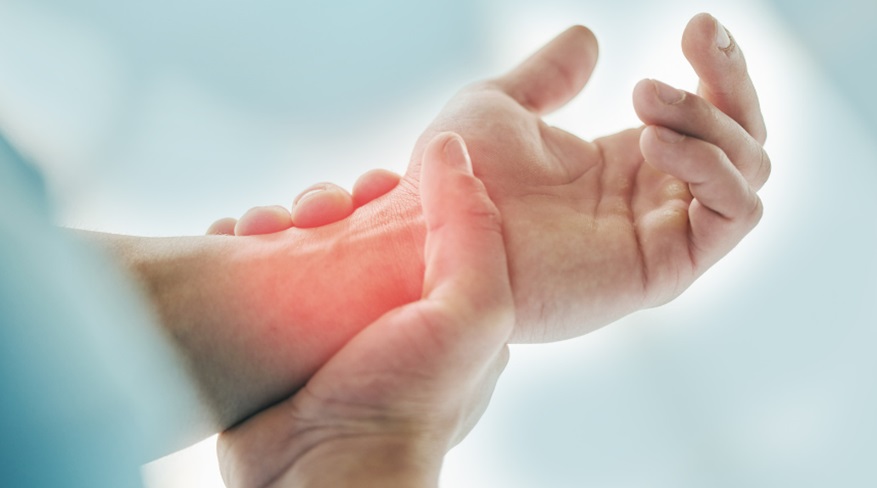
Skiing is an exhilarating winter sport that offers a thrilling experience on the snow-covered slopes. While the adrenaline rush is unmatched, skiers often face the risk of various injuries due to falls or improper techniques. One such injury that is commonly overlooked is Skier’s Thumb, which affects the hand and wrist. Though not as well-known as knee or ankle injuries, it can have severe consequences if not treated in time.
What is Skier’s Thumb?
Skier’s Thumb refers to a sprain or tear of the ulnar collateral ligament (UCL), which stabilizes the thumb’s metacarpophalangeal (MCP) joint. This injury occurs when a sudden force is applied to a skier’s outstretched thumb, typically when they fall with their hand caught in the ski pole strap. The pressure on the thumb strains or ruptures the UCL, causing pain, swelling, and instability in the affected joint.
Identifying Skier’s Thumb
If you’ve had a fall during skiing and are experiencing thumb pain, it’s essential to evaluate the severity of the injury. Some common signs and symptoms of Skier’s Thumb include:
- Pain, especially when moving the thumb.
- Swelling near the base of the thumb.
- Instability in the thumb joint.
- Weakness when pinching or gripping objects.
- Bruising around the injured area.
If your symptoms persist or worsen over time, consult an experienced hand specialist in Omaha, NE, who can conduct a thorough examination and provide the appropriate treatment. These professionals have the necessary expertise and technology to diagnose and treat various hand and wrist injuries effectively.
Prevention and Treatment
Preventing Skier’s Thumb starts with proper skiing techniques and safety precautions. Some helpful tips to minimize the risk of this injury include:
- Adjusting your ski pole straps to minimize the contact between your hand and the pole.
- Wearing protective gloves with thumb guards.
- Practicing fall techniques to avoid landing on your hands.
- Strengthening your hand and wrist muscles with regular exercises
For those who have already sustained a Skier’s Thumb injury, the treatment plan depends on the severity of the damage. Mild sprains can be managed with rest, ice, compression, and elevation (RICE) therapy, along with over-the-counter pain medication. However, more severe cases requiring surgery, immobilization, or physical therapy necessitate consultation with a hand specialist.
Seeking Medical Attention
It’s crucial to pay attention to your body’s signals and seek medical help when pain becomes persistent or unbearable. If you’re unsure whether your hand pain warrants a visit to a doctor, you can check out this blog. It is also important to note that a skier’s thumb might not be the first thing that comes to mind when thinking of skiing injuries, but it can significantly impact your ability to participate in the sport or even perform daily activities. The key is to stay vigilant, practice proper safety measures, and consult medical professionals when necessary to ensure a swift recovery and a return to the slopes.










Comments