
 By
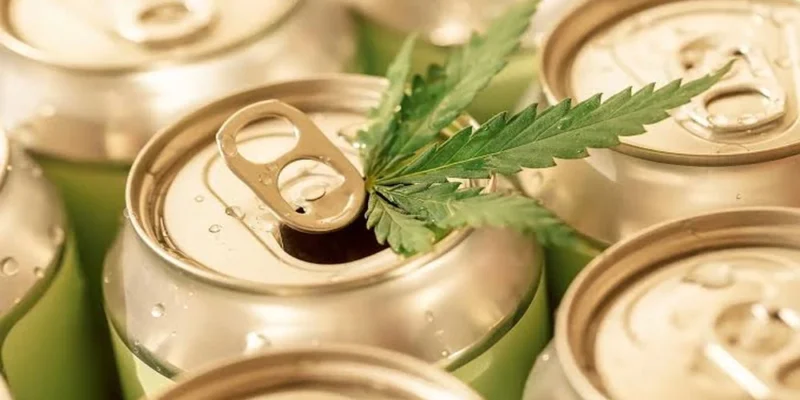
A single number decides what can legally cross state lines by regular carrier, and federal hemp policy hangs almost entirely on that number. Beverages built underneath it move through the same networks that carry groceries and household goods to doorsteps everywhere.
What makes shipping legal
Everything comes down to staying under 0.3 percent delta 9 THC by dry weight. That’s the federal ceiling, applied the same way, no matter where a package ends up. thc drinks formulated below that line count as hemp-derived rather than marijuana derived, which pulls them out from under the stricter transport rules covering higher potency cannabis. Manufacturers back this up with certificates of analysis tied to each production batch, and those certificates ride along with the shipment itself, ready if a carrier or regulator asks. Stay under the threshold, keep the paperwork current, and that’s really the whole legal foundation nationwide delivery rests on.
Carrier and packaging rules
Carriers will move hemp-derived beverages as long as documentation rides along and labelling hits basic disclosure standards. Total cannabinoid content, batch identification, testing verification, all of it needs to show up somewhere on the container or the insert tucked inside. Nano emulsified formulas run more temperature sensitive than others, so some producers throw in insulated packaging once summer shipping months roll around. Most carriers handle age verification at checkout rather than the doorstep, though a handful of regions still want a signature matching an adult recipient before release.
Handling generally moves through these steps:
- Batch finishes lab testing before packaging starts.
- Certificate of analysis attaches to shipment records, sometimes printed right inside the box.
- Carrier takes the package with standard shipping paperwork, no special hazard classification needed.
- Delivery runs through normal residential or commercial routes, the same as any other consumer product.
State-level variation
Federal legality doesn’t erase what individual states decide on their own, and that gap trips up more buyers than anything else here. Some states block hemp-derived THC beverages outright, no matter what federal rules say, treating them closer to marijuana products under local law. Others allow sales but cap milligrams per serving well under what federal limits would otherwise permit. Producers keep restricted shipping lists tracking these differences state by state, checking every destination address against current rules before an order ever gets packed. These lists shift as state legislatures revisit hemp policy, so checking fresh beats trusting whatever was true on a previous order.
What buyers should check?
Confirming a product actually ships somewhere saves a wasted order and keeps things clean on the compliance side. A short checklist covers most of it before checkout even starts.
- Confirm the destination state currently allows hemp-derived THC beverages.
- Look at the certificate of analysis and confirm the THC percentage sits under that 0.3 percent line.
- Check for any local milligram cap sitting below the federal formulation limit.
- Match age confirmation requirements against whatever the carrier enforces for that particular region.
Nationwide reach for these drinks comes from a narrow federal definition, not blanket legality everywhere at once. Stay under 0.3 percent, keep testing documentation current, follow carrier labelling rules, and federal shipment stays lawful, though state-specific restrictions still get the final say on whether any given order actually lands.







Comments