
 By

Diabetes and atherosclerosis are two common, long-term diseases. They may harm health to a great extent. Atherosclerosis, arterial plaque, greatly increases the risk of heart disease. Diabetes affects blood sugar management. It may be type 1 or 2. Diabetes raises atherosclerosis risk. It can accelerate its progression. Therefore, this article will discuss the intricate link between diabetes and atherosclerosis. So diabetes causes it, and risk management and mitigation for this risky combination.
Understanding atherosclerosis
Understand the link between atherosclerosis and diabetes. So you must understand its development.
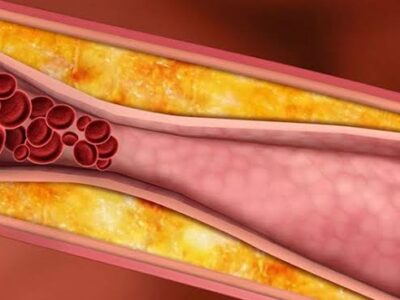
Sometimes endothelium, the artery lining, is damaged. It is then that Atherosclerosis develops. Smoking, hypertension, high cholesterol, and inflammation may cause this harm. So, the damage activates the body’s natural healing process, sending white blood cells and other components to the affected location.
However, calcium, cellular debris, cholesterol, and other elements around the injury cause problems. These deposits harden into plaque. Plaque narrows arteries, limiting blood flow. Therefore, plaque rupture or blood clots may cause heart attacks and strokes.
The Risky Pair: Diabetes and Atheroclerosis
The relationship between atherosclerosis and diabetes is complex. Diabetes accelerates and increases the risk of atherosclerosis via many processes:
Insulin Resistance
In type 2 diabetes, insulin resistance hinders insulin utilization. So, insulin resistance causes high blood sugar and atherogenic particle production.
Lipid abnormalities
The “good” cholesterol, HDL, is lowered while the “bad” cholesterol, triglycerides, and LDL, are increased in diabetes. Therefore, these lipid abnormalities enhance artery plaque risk.
A condition of inflammation
Diabetes is connected to chronic inflammation. Because of inflammation, inflammatory cells are more likely to cling to arterial walls. In brief, this initiates plaque buildup and accelerates atherosclerosis.
AGEs are advanced glycation end products.
High blood sugar in diabetes may react with proteins to form AGEs. AGEs may damage blood vessels and promote inflammation, worsening atherosclerosis.
So, diabetes may lead to improper blood coagulation, which can lead to strokes or heart attacks.
Peripheral Artery Disease Diabetes is a risk factor for this condition, which causes narrowed extremity arteries. Therefore, people with PAD are more prone to develop other atherosclerosis.
Strategies for Risky Pair Control:
Managing diabetes with atherosclerosis requires a comprehensive approach to reduce cardiovascular risk and improve health. This couple’s risks may be reduced using these methods:
Controlling Blood Sugar
Maintaining optimal blood glucose levels is essential. People with diabetes should work with their doctors to design. It should implement a customized diabetes treatment strategy. Therefore, this strategy should involve lifestyle modifications, medication, and periodic monitoring.
Moving Exercise
Move regularly. Try to obtain 150 minutes of moderate-to-intense aerobic activity. Or do 75 minutes of vigorous-to-intense aerobic activity a week. So, it includes plus two or more muscle-strengthening days.
Controlling Medication
Some diabetics require medicine to regulate blood pressure, cholesterol, and sugar. So, consult a doctor for personalized advice and prescriptions.
Controlling Blood Pressure
Maintain good blood pressure, usually below 130/80 mm Hg, with diet and medicine. Therefore, controlling blood pressure may avoid arterial damage.
Quitting Smoking
Smokers must quit. Smoking increases cardiovascular disease and atherosclerosis risk. So, quitting reduces issues.
Regular Exams
Schedule regular medical exams to monitor blood pressure, cholesterol, blood sugar, and cardiovascular health. Therefore, regular monitoring detects and manages risk factors early.
Conclusion
In brief, breaking diabetes and atherosclerosis requires proactive treatment and lifestyle changes. So managing this complex relationship requires blood sugar control, a heart-healthy diet, exercise, medication management, and periodic monitoring. Atherosclerosis risk may be considerably reduced and overall health improved by using risk mitigation strategies.











Comments