
 By
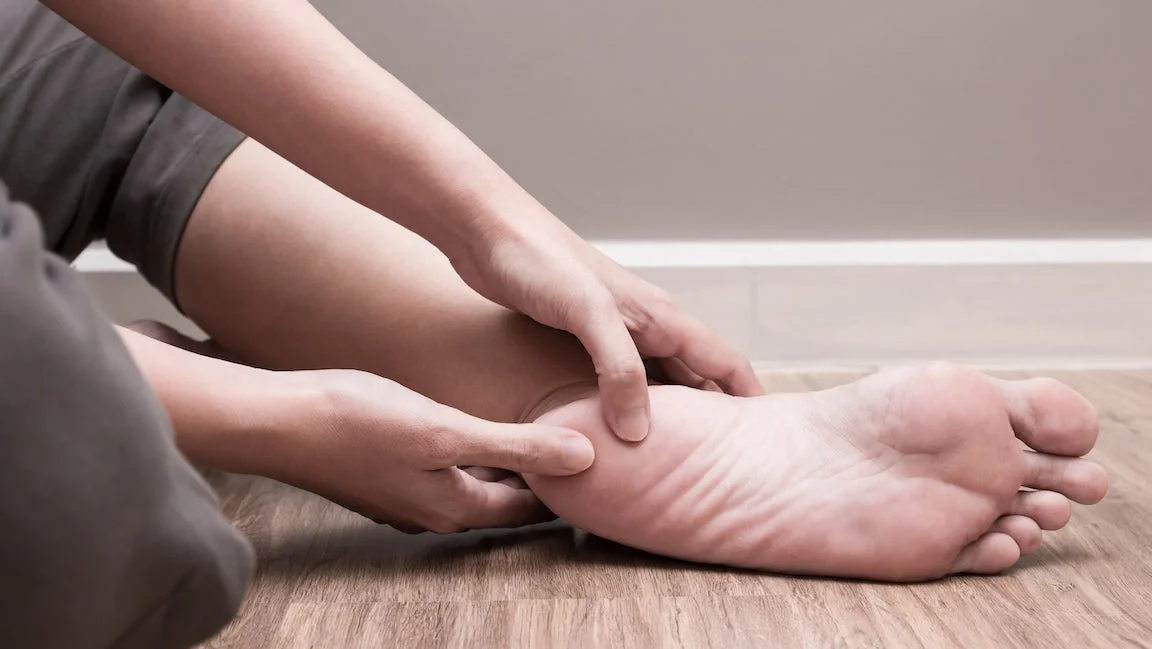
It’s a common scenario – you go out for a run, feeling good, breaking a sweat. But when you finish and slow down, you feel a nagging, stabbing pain in your heels that turns into a constant ache. This pain usually gets worse when you first stand up after sitting for a while.
Tips to soothe your aching heels
If you’re dealing with nagging heel hurts after running, don’t just run through the pain. Get proactive with these self-care remedies to help calm the inflammation and get back out there pain-free.
- Ice massage your heels – Freeze water in a small paper cup. When frozen, peel the top rim off to reveal the ice below. Use it to firmly massage your sore heel for 5-7 minutes a few times per day. It reduces inflammation and numbs the irritated nerves.
- Stretch your calves – Tight calf muscles contribute to plantar fasciitis by putting extra strain on the foot. Loosen up your calves with stretches like leaning against a wall in a lunge position with the sore leg back. Hold for 30 seconds, repeat a few times per leg.
- Wear heel cups – Heel cups or cushioned pads slide into your shoes to lift and support your foot, taking tension off the fascia. They also pad your heel strike while absorbing shock, protecting the irritated tissue.
- Switch up your gear – Make sure your shoes have adequate arch support and cushioning. Consider inserts, which provide extra padding and support. Avoid very minimalist shoes during flare-ups.
- Roll a frozen water bottle underfoot – Freeze a water bottle, then roll your bare foot over it for 5 minutes at a time. This self-massage technique stretches the plantar fascia and dulls nerve pain signals being sent to your brain.
- Take anti-inflammatories – Over-the-counter meds like ibuprofen reduce inflammation and ease discomfort after long runs. Always follow dosage instructions.
- Sleep in a strassburg sock – This specialty sock keeps your foot and ankle at the optimal angle for letting the fascia recover overnight. Taking tension off it while you sleep gives it time to start healing.
- Get pro adjustments – See a podiatrist, sports med doctor, or physical therapist. They use tools like the Graston technique or ART to break up scar tissue and guide the fascia back into proper alignment through hands-on adjustments.
- Consider shockwave therapy – Some podiatry clinics offer advanced shockwave therapy, which bombards the heel with soundwaves to stimulate healing and new blood flow to the damaged tissue. Studies show it helps resolve cases of chronic plantar fasciitis.
- Rest up – Runners who suffer from moderate to severe cases should take a break from running for a couple of weeks. Taking this approach gives the fascia time to fully heal before being re-injured. Cross-train with low-impact options like swimming and cycling to stay fit in the meantime.
Post-run heel discomfort frustrates your training if you don’t address it promptly. But with the right self-care, crosstraining modifications, and expert guidance from podiatrists, you get back out there running strong without hurting.








Comments