
 By

Overactive bladder (OAB), also known as urinary overflow, is a condition marked by an inexplicable, sudden urge to urinate. This condition may have a negative impact on your daily life and interfere with work, relationships, or social activities. Even though medications and surgeries are available, lifestyle changes and behavior therapies can be effective for many. These non-invasive solutions for overactive bladder treatments may help with symptom management and general health enhancement.
Lifestyle Changes To Treat Overactive Bladder Treatment
- Fluid Management
- Hydration Balance:While it is important that you stay hydrated, an excessive fluid intake can worsen OAB. Water intake should be moderate throughout the entire day. In the evening, reduce the amount of water consumed to prevent nighttime urine.
- Avoiding the Triggers:Certain liquids, such as caffeine, alcohol or carbonated drinks, may irritate the bladder, causing it to urinate more frequently. By reducing or eliminating them from your daily diet, you can reduce symptoms.
- Dietary Changes
- Bladder-friendly foodsinclude foods that are less likely to irritate the urinary bladder, like lean protein, vegetables, and whole grains. Avoid citrus fruits and artificial sugars. They can worsen your symptoms.
- Fiber:Constipation can cause OAB symptoms to worsen. A diet that is high in fiber (including fruits, vegetables, and grains) can encourage regular bowel movements and reduce pressure on the bladder.
- Healthy Weight Management
- Weight Loss:An excess of weight can lead to increased abdominal pressure. This can then affect the bladder’s function. OAB symptoms can be alleviated by a balanced diet and regular physical activity.
- Regular Exercise
- Physical activity:Regular exercising can help to improve your overall health. It may also reduce OAB symptoms. It is possible to benefit from activities like yoga, swimming, or walking without putting too much stress on your bladder.
Behavioral Therapies For Overactive Bladder
- Bladder Exercises
- Scheduled Bladder Training:The training of the bladder involves urinating regularly at predetermined times and not just when you feel a sudden urge. Begin by emptying your bladder at regular intervals. Then, increase the length of time you wait between visits to the bathroom. This helps your bladder retain urine longer and reduces the number of times you have to urinate.
- Delay Technologies:When the urge to go to the bathroom strikes, delay it by a minute or two. Increase this delay slowly over time to increase bladder size.
- Pelvic Floor Muscle Exercises
- Kegels Exercises:Kegels strengthen the pelvic muscles and improve bladder function. Kegels require you to tighten the muscles that stop urine from flowing, hold them for a short time, and then release them. Repeat several times a day. For results, consistency is essential.
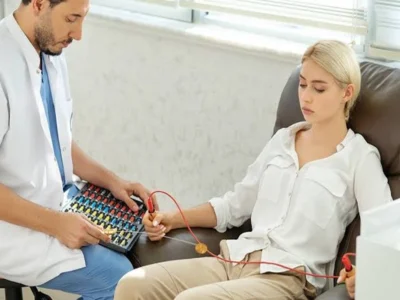
- Biofeedback:Using electronic monitoring helps you learn how to control pelvic floor muscles better. Kegel exercises can benefit from biofeedback because it gives real-time feedback.
- Behavior Modifications
- Scheduled Toileting:Having a regular routine for bathroom visits helps manage OAB. You should plan to urinate every 2-3 hours, regardless of whether you feel the need to do so.
- Repeat Urination After Urinating:Wait for a short time after urinating before trying to urinate. This helps to make sure the bladder is empty and reduces the frequency of urine.
- CBT (Cognitive Behavioral Therapy)
- Manage Stress and Anxiety:The symptoms of OAB can be exacerbated by stress and anxiety. CBT focuses on changing negative thought patterns to better help people manage anxiety. This, in turn, will reduce the urgency or frequency of urination.
- Hydration timing
- Planning Fluid Intake:Avoid drinking large amounts near bedtime. This may lessen the quantity of time spent using the restroom at night and enhance the quality of sleep.
Combining Methods for Optimal Results
Behavioural therapy and lifestyle changes are often the most effective treatments for overactive bladder. Work with your healthcare provider to create a treatment program that’s tailored to meet your specific needs. Regular follow-ups help monitor progress and can make necessary adjustments to the treatment plan.
Conclusion
In order to manage an overactive bladder, a comprehensive treatment plan is needed that includes behavioural therapies and lifestyle changes. These non-invasive treatment options for overactive urination can greatly improve symptoms while improving quality of life. Through diet changes, pelvic floor exercises, and bladder training techniques that are based on a healthy weight and a healthy lifestyle, individuals can take charge of their condition. They will be able to live an active, fulfilling, and more active life. Consult with your doctor to find out the best options for treating OAB.









Comments