
 By
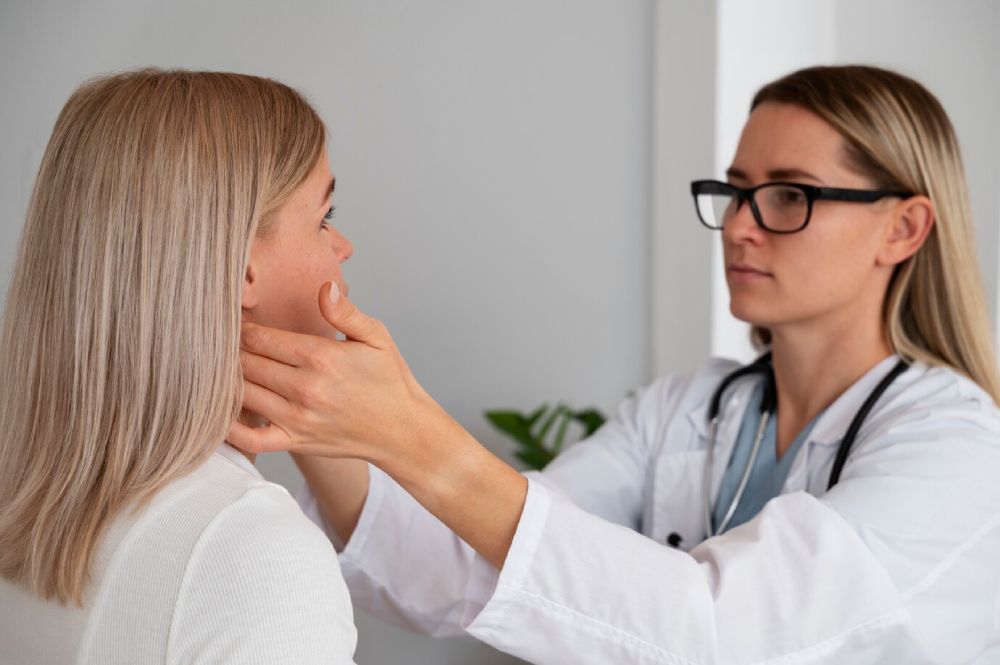
A structured and thorough physical examination is a cornerstone of patient care in primary settings. It provides critical insights into a patient’s health status, helping healthcare professionals to diagnose conditions, formulate treatment plans, and monitor ongoing health issues. This article explores the importance of comprehensive physical examinations, highlighting their role in ensuring high-quality patient care.
Detecting Early Signs of Disease
A thorough physical examination enables the early detection of potential health issues. Many diseases, including hypertension, diabetes, and certain cancers, may not present obvious symptoms in their early stages. Through a detailed examination, healthcare practitioners can identify subtle signs and abnormalities that might otherwise go unnoticed. Early detection is crucial for prompt intervention, improving patient outcomes, and potentially preventing the progression of serious conditions.
Establishing a Baseline Health Status
Conducting a comprehensive physical examination provides a baseline health status for new patients. This baseline serves as a reference point for future assessments, making it easier to identify changes in the patient’s health over time. It helps in understanding the normal variations in an individual’s health metrics, thus distinguishing between benign and pathological changes. Regular, structured physical exams ensure continuity of care and facilitate the long-term monitoring of chronic conditions.
Enhancing Patient-Provider Relationship
A thorough physical examination enhances the patient-provider relationship by fostering trust and communication. When patients see that their healthcare provider is taking the time to perform a detailed examination, they feel valued and understood. This level of care encourages patients to be more open about their symptoms and concerns, leading to more accurate diagnoses and effective treatment plans. It also reinforces the importance of regular check-ups, promoting a proactive approach to health management.
Improving Diagnostic Accuracy
A structured physical examination helps in correlating clinical findings with the patient’s history and presenting symptoms, thus improving diagnostic accuracy. For example, observing physical signs such as skin changes, unusual heart sounds, or abdominal masses can provide vital clues that guide further diagnostic testing. In some cases, physical examination findings can directly lead to a diagnosis, reducing the need for extensive and costly diagnostic procedures.
Tailoring Treatment Plans
Thorough physical examinations are integral to creating individualized treatment plans. By assessing the patient’s physical condition comprehensively, healthcare providers can tailor interventions to the specific needs of the patient. This personalized approach is particularly important for managing chronic diseases, where treatment plans often need to be adjusted based on the patient’s response and evolving health status.
Educating Patients About Their Health
During a physical examination, healthcare professionals have the opportunity to educate patients about their health. Explaining the significance of various findings, discussing lifestyle factors, and providing guidance on preventive measures can empower patients to take an active role in their health care. This education is a key component of preventive medicine, helping patients make informed decisions about their lifestyle and treatment options.
Conclusion
In conclusion, a structured and thorough physical examination is a fundamental practice in primary care, essential for early disease detection, establishing baseline health status, enhancing the patient-provider relationship, improving diagnostic accuracy, tailoring treatment plans, and educating patients. Healthcare professionals must prioritize comprehensive physical exams to ensure high-quality patient care and promote better health outcomes.
For more detailed insights into physical examination techniques, check out this informative article: Physical Examination Techniques for Health Care Professionals.
References
British Medical Journal (BMJ). (2023). The Role of Physical Examination in Clinical Practice.
National Institute for Health and Care Excellence (NICE). (2023). Clinical Examination and Record Keeping.
Royal College of General Practitioners (RCGP). (2023). Guidelines for Physical Examinations.







Comments