
 By
Eczema is a chronic skin condition that causes inflammation, redness, and itching. Many people in Singapore have started exploring alternative treatments, including Traditional Chinese Medicine (TCM), to find relief from their eczema symptoms. However, despite its growing popularity, there are several misconceptions about using Chinese medicine for eczema. These misunderstandings can lead people to make uninformed choices about their treatment options.
Misconception 1: Chinese Medicine Offers an Instant Eczema Cure
One of the most common misconceptions is that Chinese medicine for eczema provides an immediate cure. Many people are eager for quick results, especially when dealing with the discomfort and appearance of eczema. However, it’s crucial to understand that eczema cure TCM is not about overnight results. TCM takes a holistic approach to health, focusing on balancing the body’s internal systems. Eczema, particularly chronic cases, requires time for the body to heal from within. Immediate symptom relief might not always be possible, and treatments are often long-term. Expecting an instant cure from TCM can lead to disappointment.
In contrast to conventional medications, which often focus on alleviating symptoms, TCM eczema treatment aims to address the root causes of the condition. This involves gradually strengthening the immune system and detoxifying the body to prevent future flare-ups.
Misconception 2: All TCM Practitioners Offer the Same Eczema Treatment
Another misconception is that all practitioners of TCM eczema in Singapore offer the same treatments for eczema. This belief can be misleading. TCM practitioners develop treatment plans tailored to each individual’s unique health condition, and their methods can vary significantly. Different practitioners may use different combinations of herbs or acupuncture techniques based on the individual’s body constitution, lifestyle, and the severity of their eczema.
For instance, some TCM specialists may recommend herbal remedies, while others might suggest TCM eczema diet adjustments to support treatment. The diet could involve eliminating certain foods that trigger inflammation or incorporating specific foods that promote skin health. Treatment is highly personalised, so the approach that works for one person may not work for another.
Misconception 3: Chinese Medicine Is Only About Herbal Remedies
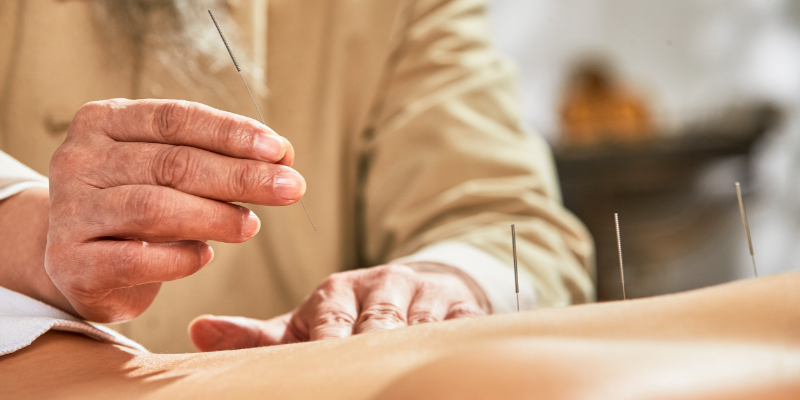
Many believe that Chinese medicine for eczema revolves solely around herbal remedies. While herbs are a significant part of TCM, the practice also includes various other techniques. For example, acupuncture is often recommended as part of a comprehensive eczema treatment plan. Acupuncture stimulates specific points in the body, aiming to promote energy flow (Qi) and improve circulation, which can help reduce inflammation and support the healing process.
TCM also emphasises lifestyle changes, particularly through diet. A TCM eczema diet focuses on eliminating foods that may worsen the skin condition, such as spicy, greasy, or highly processed foods. It also encourages the consumption of cooling foods like cucumbers and watermelon, believed to reduce the body’s internal heat, which can aggravate eczema symptoms.
Misconception 4: TCM Only Focuses on Eczema Symptoms
Some assume that TCM only addresses the visible symptoms of eczema, such as redness and itching. In reality, eczema cure TCM focuses on the underlying causes of the condition. TCM sees eczema as a reflection of internal imbalances in the body. By addressing these imbalances, such as excess heat, dampness, or a weak immune system, TCM aims to treat the condition from the inside out.
Instead of merely suppressing symptoms, TCM eczema treatments in Singapore target the root cause, reducing the likelihood of future flare-ups. This holistic approach makes TCM an attractive option for those seeking long-term relief from eczema, although it requires patience and consistency.
Misconception 5: TCM Cannot Be Combined with Conventional Treatments
A final misconception is that TCM cannot be used alongside conventional eczema treatments. Some people worry that combining treatments could cause adverse effects. However, many TCM practitioners and Western doctors agree that it is safe to combine the two approaches as long as the treatments are monitored carefully. For instance, herbal remedies or acupuncture sessions can be used alongside prescribed eczema creams to offer comprehensive care.
Combining TCM with conventional treatments may provide a more balanced approach, addressing both the immediate discomfort and the long-term health of the skin. However, it’s essential to communicate with all healthcare providers involved in the treatment to ensure a safe and coordinated approach.
To explore a natural and holistic approach to treating eczema, consider consulting a TCM practitioner. Visit Tangs Clinical TCM for expert advice and tailored treatment plans for managing eczema through Traditional Chinese Medicine.









Comments