
 By
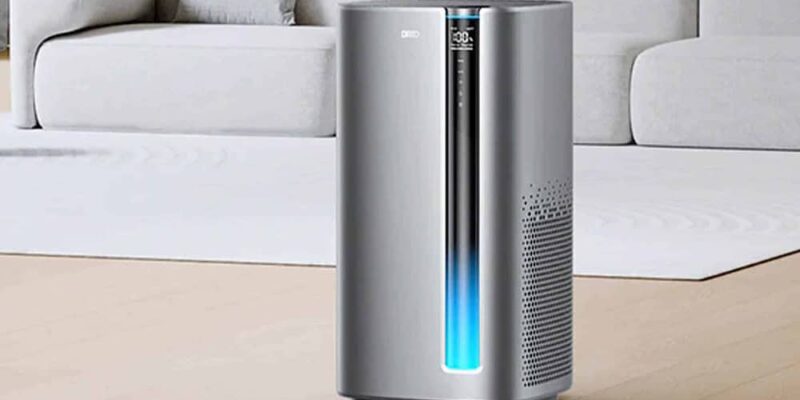
When you first switch on an air purifier, you’ll likely notice an immediate, albeit subtle, change. The initial impact is the purifier beginning to pull in air and start filtering out larger particles like dust and pet dander. While this initial process won’t result in a complete air overhaul instantly, it represents the start of the cleaning cycle. You might observe a reduction in visible airborne particles relatively quickly, which can be a welcome benefit, particularly to those with allergies or respiratory sensitivities. The speed of this initial improvement depends heavily on the purifier’s fan speed, with higher settings generally providing a more rapid effect. However, complete purification needs more than this initial burst. The question remains, how long does it take for an air purifier to work?
Factors Influencing Cleaning Speed: Model and Technology
The core factor determining how quickly an air purifier cleans a room is its Clean Air Delivery Rate (CADR). This rating, usually provided by manufacturers, specifies how much purified air the unit can deliver per hour, expressed in cubic feet per minute (CFM). Higher CADR values indicate faster cleaning cycles. Moreover, the type of filtration technology plays a central role. HEPA filters, renowned for capturing fine particles, work well but can be slowed down by the presence of large particles. Activated carbon filters, specializing in odors and gases, have their own cleaning timelines. Air purifiers with a combination of filter types generally offer more comprehensive and therefore faster overall cleaning.
Room Size and Air Volume: The Critical Considerations
The room’s size and air volume significantly affect the cleaning timeline. A small room being cleaned by a purifier designed for a large space will see rapid results. Conversely, a purifier sized for a small room can struggle to clean a larger one and will take much longer to do so. The number of air exchanges per hour (ACH), which indicates the number of times the purifier cycles all the air in the room in 1 hour. A higher ACH means faster cleaning. For ideal air quality, aim for at least four ACH for most situations, meaning that air should be filtered four times an hour.
The Gradual Process: Achieving Optimal Air Quality
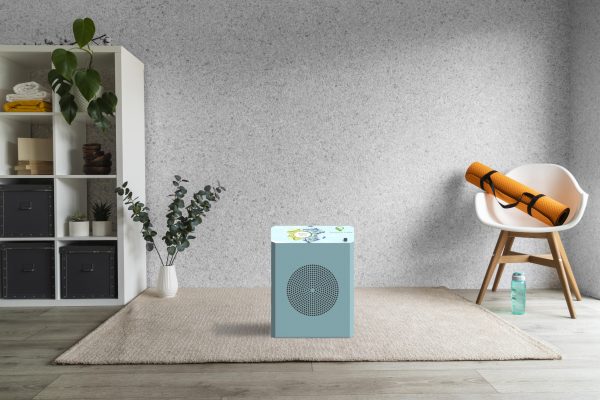
Air purifiers don’t work like a microwave where the job is done in a few minutes. Instead, the cleaning is a gradual process. A continuous cycle of air flowing through the filter, trapping particles and releasing clean air is what brings about the desired result. Over time, the air quality improves steadily. Within the first hour, a noticeable improvement is possible. Most purifiers are effective enough to achieve significant reduction in airborne pollutants within 2 to 3 hours. For optimal air quality, it is recommended to run the purifier consistently for several hours, or even 24/7.
Maintaining Clean Air: Ongoing Operation and Filter Replacement
Once the air in a room reaches desired levels of purity, continuous operation is essential to maintain it. Turning the purifier off allows pollutants to reaccumulate. Furthermore, regular filter replacement is crucial. Clogged filters reduce the purifier’s efficiency and overall cleaning speed. Following the manufacturer’s recommendation for filter replacement will not only ensure optimal cleaning speed but also prolong the lifespan of your air purifier. By understanding these factors—CADR, filtration type, room size, and operation frequency—you can effectively leverage the benefits of your air purifier and enjoy a cleaner, healthier indoor environment.






Comments