
 By
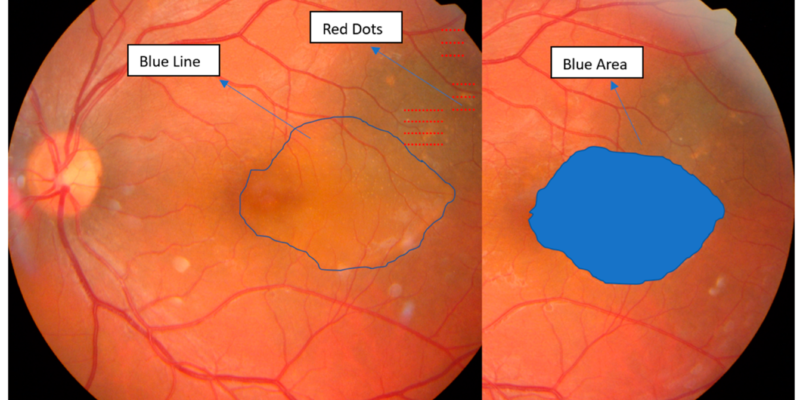
Central serous chorioretinopathy (CSR) is an eye condition where fluid accumulates under the retina, leading to vision disturbances. It commonly affects adults, particularly men aged 30 to 50, and is often linked to stress, steroid use, and other underlying health factors. CSR can cause blurred or distorted vision, a dark spot in the central vision, and increased sensitivity to light.
While many cases resolve on their own, some require intervention to prevent long-term vision impairment. Choosing the right central serous chorioretinopathy treatment is crucial in managing the condition effectively.
When Should CSR Be Treated?
1. Acute vs. Chronic CSR
Most cases of acute CSR, where symptoms last less than three months, resolve without medical intervention. However, chronic CSR, which persists for longer periods or recurs frequently, may require treatment. Chronic cases can lead to permanent retinal damage and vision loss if left untreated.
2. Severity of Symptoms
If CSR symptoms are mild and do not significantly affect daily activities, observation may be recommended. However, when vision is severely impaired, or there is persistent fluid accumulation in the retina, treatment is necessary to prevent further complications.
3. Risk of Recurrence
Some patients experience repeated episodes of CSR, increasing the risk of long-term retinal damage. In such cases, early intervention can help reduce recurrence and preserve vision. Patients with a history of CSR should undergo regular eye exams to monitor for changes.
Photodynamic Therapy (PDT) for CSR
Photodynamic therapy (PDT) is a well-established treatment for CSR. It involves injecting a light-sensitive drug called verteporfin into the bloodstream, followed by low-intensity laser exposure to the affected area of the retina. This process reduces abnormal blood vessel leakage and decreases fluid accumulation.
Advantages of PDT
- Effective for chronic CSR: PDT is highly effective in treating chronic and recurrent CSR cases, particularly when fluid persists despite conservative management.
- Long-lasting results: Studies show that PDT can lead to significant and long-term improvements in vision by sealing the leaking blood vessels.
- Minimally invasive: The procedure is non-surgical and performed on an outpatient basis, making it a convenient option for many patients.
Potential Drawbacks
- Temporary vision changes: Some patients may experience temporary darkening of vision after the procedure.
- Sensitivity to light: Because verteporfin is a photosensitizing drug, patients must avoid direct sunlight and bright indoor lighting for a few days following treatment.
- Higher cost: PDT is relatively more expensive than other treatments, though its effectiveness makes it a valuable option for chronic cases.
Micropulse Laser Therapy for CSR
Micropulse laser therapy is a newer, gentler approach to treating CSR. Instead of delivering continuous laser energy like traditional laser treatments, micropulse lasers emit small, repetitive bursts of energy, minimizing damage to surrounding retinal tissue.
Advantages of Micropulse Laser Therapy
- Lower risk of retinal damage: Unlike traditional laser treatments, micropulse lasers reduce the risk of thermal injury to the retina.
- Shorter recovery time: Patients generally recover faster and experience fewer side effects compared to PDT.
- Less sensitivity to light: Since no photosensitizing agents are used, there are no restrictions on sun exposure after treatment.
Potential Drawbacks
- May require multiple sessions: Some patients may need more than one treatment to achieve optimal results.
- Less effective for severe cases: While micropulse therapy is beneficial for early-stage CSR, it may not be as effective for chronic cases with persistent fluid accumulation.
PDT vs. Micropulse: Which One is Better?
The choice between PDT and micropulse laser therapy depends on the severity and duration of CSR, as well as the patient’s individual condition.
- For chronic CSR cases with persistent fluid leakage, PDT is often the preferred option due to its proven long-term effectiveness.
- For acute or mild cases that require intervention, micropulse laser therapy may be a better choice as it reduces retinal damage and has a quicker recovery time.
- For patients who are sensitive to light exposure or cannot afford PDT, micropulse therapy provides a viable alternative with fewer side effects.
Ultimately, an eye specialist will assess the condition through imaging tests such as optical coherence tomography (OCT) and fluorescein angiography before recommending the most suitable central serous chorioretinopathy treatment for each patient.
Conclusion
CSR treatment is not always necessary for acute cases, but chronic and recurrent CSR often requires intervention to prevent vision loss. PDT and micropulse laser therapy are two effective options, each with its own advantages and considerations. While PDT remains the gold standard for chronic CSR, micropulse therapy offers a safer and less invasive alternative for select cases. Consulting an eye specialist is essential to determine the best treatment approach based on the severity of the condition and individual patient needs.









Comments