
 By
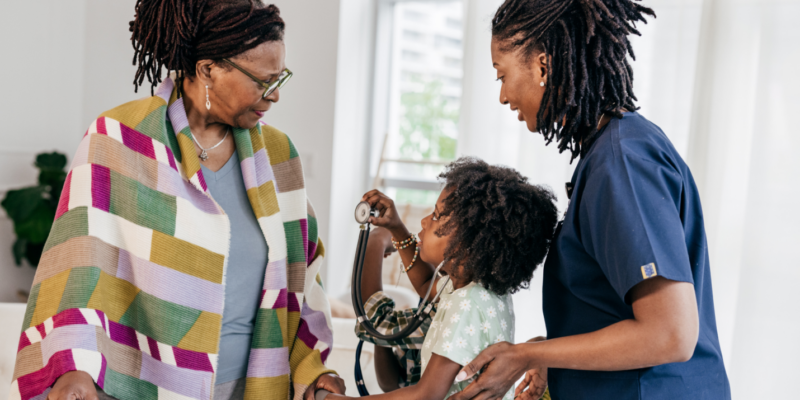
Choosing the right caregiver for an aging loved one goes far beyond qualifications and experience. While those factors are undoubtedly important, true quality in caregiving is often measured by compassion, commitment, and a genuine desire to improve someone’s life. A great caregiver becomes more than just a helping hand—they become a trusted companion, a reliable advocate, and a source of emotional support.
Whether you’re hiring through an agency or privately, identifying the right caregiver starts with understanding the human qualities that make them exceptional. Here are several key signs that you’ve found a compassionate and committed caregiver:
1. They Show Genuine Empathy
Empathy is one of the most essential traits a caregiver can have. A compassionate caregiver doesn’t just go through the motions—they strive to understand how a senior feels and respond with kindness and patience. They listen attentively, respect boundaries, and show sensitivity toward the physical and emotional challenges seniors may face.
A caregiver who says things like, “I understand this must be difficult for you,” or who offers a comforting presence during tough moments, demonstrates an ability to connect on a human level.
2. They Treat the Senior with Dignity and Respect
Respect is foundational to caregiving. A committed caregiver never makes a senior feel like a burden or approaches tasks with impatience. Instead, they involve the senior in decisions about their care, offer choices when possible, and honor their preferences and routines.
Whether it’s maintaining privacy during personal hygiene tasks or using respectful language when communicating, the small details reveal how much the caregiver values the senior’s autonomy and worth.
3. They’re Reliable and Consistent
Commitment shows in a caregiver’s reliability. Consistently arriving on time, following through with tasks, and being dependable day after day is a clear indicator of their dedication to the job. Seniors often thrive on routine, and disruptions can be stressful—so a dependable caregiver contributes greatly to their sense of safety and stability.
Caregivers who go the extra mile, even when no one is watching, prove they take their role seriously and understand its importance.
4. They’re Patient in Challenging Situations
Working with older adults—especially those with cognitive or physical limitations—can present challenges. A compassionate caregiver maintains their composure and adapts with grace when a situation becomes difficult. This might mean calmly handling resistance during bathing, reassuring a senior who is confused or agitated, or managing changes in mood or behavior with kindness.
Their ability to stay calm and supportive shows emotional maturity and a deep commitment to their role.
5. They Advocate for the Senior’s Needs
Great caregivers don’t just respond to instructions—they actively advocate for their client’s well-being. If they notice changes in health, behavior, or mood, they communicate with family members or medical professionals. They may suggest adjustments to routines or raise concerns if something feels off.
Being observant and proactive demonstrates that they view caregiving as a responsibility, not just a task list. It also shows that they are invested in helping the senior maintain the best quality of life possible.
6. They Build a Personal Connection
While professionalism is important, personal connection makes all the difference in a caregiving relationship. A compassionate caregiver takes the time to learn about the senior’s history, hobbies, and preferences. They engage in conversations, share laughter, and build trust over time.
This kind of bond can reduce feelings of loneliness and isolation, which are common among aging adults. Seniors who feel emotionally supported are often more responsive to care and enjoy greater overall well-being.
7. They Maintain a Positive Attitude
Positivity is contagious—especially in a caregiving environment. Caregivers who bring warmth and optimism into the home can lift a senior’s mood and make everyday moments more enjoyable. Whether it’s through a cheerful greeting, light humor, or celebrating small wins, positivity can make a significant impact.
A committed caregiver understands that their attitude influences the atmosphere of the home, and they use that awareness to cultivate encouragement and joy.
8. They Respect Family Dynamics and Communicate Well
Compassionate caregivers know that family dynamics matter. They respect the role of family members, welcome their input, and communicate openly and professionally. They don’t overstep boundaries, but they also don’t hold back on voicing important observations.
They understand that caregiving is a team effort and strive to be a collaborative partner in the senior’s care.
The decision to bring a caregiver into your loved one’s life is deeply personal, and not every caregiver will be the right fit. But by focusing on the human traits—like empathy, patience, reliability, and emotional connection—you can identify a caregiver who brings more than just skills to the table.
When you find someone who truly embodies the role, it shows in every interaction. Compassionate, committed caregivers for seniors make a world of difference—not only in practical support, but in creating a sense of security, joy, and dignity that aging adults so richly deserve.












Comments