
 By
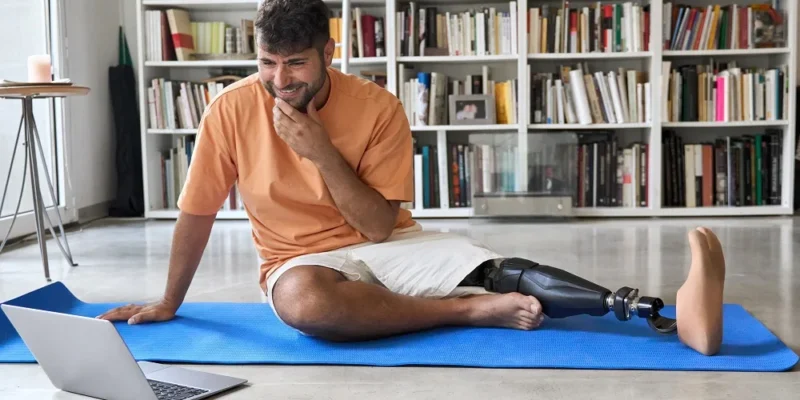
Returning to work after an amputation often requires a new playbook, not just a new timeline. Many people find that planning, practice, and the right team transform uncertainty into a structured path back to meaningful employment. This article outlines practical strategies you can use immediately, from vocational rehabilitation to modern assistive technology and workplace accommodations. You will also find guidance on emotional readiness, confidence building, and how to tap into peer mentorship for momentum. If you want to Read more about specific tools and programs, this guide points you toward questions and resources that make discussions with clinicians and employers more productive. Whether you’re early in recovery or mid-transition, the goal is a sustainable, confident return to your professional life.
Understanding Vocational Rehabilitation and Job Readiness Training
Vocational rehabilitation is the backbone of a smooth transition back to employment because it coordinates medical realities with job requirements. A certified counselor assesses your strengths, residual functions, interests, and previous experience to build a plan that matches roles to your current capabilities. For many, the process starts with baseline functional capacity testing and a conversation about your preferred pace of re-entry. When your plan centers on your values and energy levels, it becomes easier to refine goals weekly and track progress. For those pursuing a Return To Work After Amputation, this structured approach reduces guesswork and makes timelines clearer for both you and your employer.
What a Vocational Rehab Plan Typically Includes
- Functional evaluations that identify safe lifting limits, ideal postures, and endurance thresholds
- Job analysis to map essential functions and potential modifications before a placement
- Skills training or upskilling courses to align with current market needs and remote/hybrid opportunities
- Mock interviews and resume refreshes that highlight strengths rather than limitations
- Coordination with prosthetists and therapists to integrate device training with job tasks
- Benefits counseling to understand how income affects insurance, disability benefits, and paid leave
Effective job readiness training focuses on both technique and confidence. You might practice ergonomic computer setups, safe transfer methods, or one-handed workflows alongside interview skills and disclosure strategies. The goal is never to oversell or hide your situation, but to present a clear picture of what you can do and what you need to perform competitively. When discussing a Return To Work After Amputation, counselors can role-play conversations with managers so you can articulate accommodations without feeling defensive. Many programs also provide employer education, so you’re not carrying the entire burden of advocacy.
A strong plan also anticipates logistics that derail good intentions: transportation, parking, restroom access, and pacing across the workday. Vocational teams often arrange site visits, so you can test workflows before your first day back. If a trial placement reveals friction points, they’re treated as data for adjustment rather than failure. Over time, the plan evolves from “getting back to work” to building a sustainable career path that accounts for future training and advancement. In short, vocational rehabilitation aligns short-term readiness with long-term growth, especially for those navigating a Return To Work After Amputation.
How Prosthetic Technology Supports Functional Independence
Prosthetic technology has advanced rapidly, turning many job tasks that once seemed out of reach into realistic, safe options. Lower-limb users benefit from microprocessor knees, hydraulic ankles, and lightweight carbon-fiber feet that improve stability and reduce fatigue across long shifts. Upper-limb tools now include myoelectric hands, activity-specific terminal devices, and multi-articulating options that aid precision tasks. The fit and suspension of your socket, combined with targeted physical therapy, often matter as much as the device itself. When technology is integrated into a training plan early, momentum builds and the Return To Work After Amputation becomes a confident, stepwise process rather than a leap.
Matching Devices to Job Demands
- Office and creative roles: ergonomic sockets, stable sitting tolerance, and fine-motor control with styluses, trackballs, or voice input
- Healthcare and lab work: gloves-compatible grippers, quick-don systems for hygiene, and stance control for long standing periods
- Construction and trades: durable activity hands, shock-absorbing feet, protective covers, and adjustable torque tools
- Retail and hospitality: lightweight devices optimized for walking and reaching, anti-slip footwear systems, and energy-storing feet
- Warehouse and logistics: microprocessor stability for uneven surfaces, load-bearing harnesses, and lifting aids to maintain safe form
Selecting a device is never just about the catalog; it’s about context. A prosthetist will work with your rehab team to analyze gait or reach patterns, then tailor components to your job’s essential functions. Training addresses not only movement efficiency but also energy conservation, so you can maintain consistent output across the day. Maintenance matters too: scheduling socket check-ins, component servicing, and supplies ensures you’re not sidelined by a preventable issue. For anyone exploring options and wanting to Read more about functionality versus cost, ask your prosthetist to compare component performance data and trial periods before committing.
Smart prosthetics now use onboard sensors and apps to record steps, stance time, or grip cycles, offering feedback you and your therapist can use to adjust training. Some systems allow mode switching—think “walk,” “bike,” or “stairs”—to match the environment quickly. If your workday is dynamic, those programmable presets reduce cognitive load and errors during transitions. Insurance coverage varies, so document how device features impact safety, productivity, and attendance; those metrics frequently support authorizations and upgrades. A technology plan that evolves with your career ensures your device remains an asset as your responsibilities grow, further smoothing the Return To Work After Amputation.
Workplace Accommodations and Accessibility Modifications
Accommodations are most effective when they’re proactive and collaborative. The process often begins with a clear job analysis to identify essential functions and pinpoint where a barrier exists—distance to printers, standing time, lifting frequency, or software navigation. With that foundation, you and your employer can enter an interactive process to brainstorm reasonable modifications that safeguard productivity and safety. Many changes are inexpensive and implementable within a week, yet their impact on comfort and efficiency can be substantial. For employees planning a Return To Work After Amputation, documenting tasks and pain points early often shortens the negotiation and implementation timeline.
Common Accommodations That Make a Big Difference
- Adjustable-height desks, ergonomic chairs, and arm supports for varied postures across the day
- Anti-fatigue mats, seated workstations, and proximity seating for meetings or customer-facing roles
- Parking accommodations, ramp access, widened pathways, and reconfigured storage to reduce reach hazards
- Tool adaptations: quick-clamp vises, torque-limiting drivers, one-handed keyboards, and foot-operated switches
- Software solutions: speech-to-text, custom macros, larger UI scaling, and on-screen shortcuts
- Schedule adjustments: phased hours, additional micro-breaks, job-sharing, or short-term remote/hybrid days
- Task redesign: swapping two nonessential duties for one core duty to maintain essential functions without overexertion
Strong accommodation plans include training and policy updates, not just equipment. Colleagues need quick guidance on safe material handling, workstation etiquette, and how to be helpful without being intrusive. Supervisors benefit from job coaching tips—how to measure output fairly, when to adjust targets, and how to keep feedback specific and supportive. Documented emergency procedures, including evacuation roles, ensure safety and reduce anxiety. When employers develop a culture of learning rather than perfection, the Return To Work After Amputation unfolds with fewer setbacks and more shared wins.
Cost concerns are common, but most accommodations are low-cost and high-return, especially when they reduce turnover and absenteeism. Keep receipts and track outcomes like reduced pain reports, fewer near-misses, or faster task completion; these data points strengthen the business case. In union or safety-regulated environments, involve the appropriate representatives early so modifications meet every standard. Periodic reviews—30, 60, and 90 days—allow the team to adjust as the role or your capacity changes. This iterative approach not only solves problems; it builds a template the organization can reuse as it becomes more inclusive for everyone.
Emotional Adjustment and Confidence Building at Work
Returning to work is as much an emotional reset as a logistical one. Identity shifts, body image concerns, and the pressure to “prove yourself” can create friction even when the practical pieces are in place. Planning for these realities is not pessimism—it’s preparation. Many people benefit from a phased schedule that starts with low-stakes tasks and controlled environments, gradually introducing higher complexity as confidence grows. Clear communication with your manager about what energizes you versus what drains you helps shape a workload that supports skill rebuilding without burnout.
Practical Confidence Builders
- Use graded exposure: practice a task privately, then with a colleague, then in a live setting
- Rehearse short disclosure scripts so you can set expectations without overexplaining
- Pair physical therapy goals with work tasks—e.g., balance drills mirrored in warehouse picking
- Build a micro-recovery routine: five-minute stretches, hydration, and a caloric plan for long shifts
- Track small wins daily and share them during check-ins to anchor progress
- Schedule periodic “skills tune-ups” with OT or PT when tasks change or new tools arrive
Self-talk, peer validation, and structured feedback loops work best together. A weekly reflection can surface what went well, what triggered stress, and what to adjust next. In many cases, a small accommodation—like moving a meeting to a room with better seating—reduces anxiety more than a major equipment change. Employee Assistance Programs and disability-focused therapists can provide brief, targeted interventions around social anxiety, fatigue management, or performance fears. Practicing how to ask for help, and when to say no, preserves your energy and protects long-term performance.
Realistic role models help too. Consider shadowing a colleague who has mastered task pacing or using adaptive tools; seeing strategies in action beats theory. When setbacks occur, reframe them as data for the next iteration rather than a measure of worth. Managers who celebrate process wins—not just outcomes—support a growth mindset that accelerates skill consolidation. Over time, you’ll build a personal playbook of coping strategies that turns first-day nerves into steady-state confidence. That playbook becomes invaluable during promotions or role changes, when the same principles keep you moving forward.
The Importance of Peer Mentorship and Advocacy Networks
Peer mentorship connects you to people who have navigated similar terrain and can offer shortcuts you won’t find in manuals. A mentor can suggest device hacks for specific tasks, share scripts that worked during accommodation conversations, and provide reality checks about pacing. These relationships extend beyond morale; they’re pipelines to job leads, professional associations, and continuing education. Whether you’re in a rural area or a large city, virtual groups and national networks make it easier to find someone who understands your industry. If you want to Read more about specialized peer groups, ask your rehab team for referrals or search professional associations that host disability affinity circles.
Where to Find and How to Use Support Networks
- Hospital-based peer visitor programs and amputee coalitions with career-focused forums
- Professional associations with disability subcommittees or employee resource groups (ERGs)
- Social platforms hosting moderated communities that share job openings and technology reviews
- Nonprofits offering legal and benefits navigation workshops related to workplace rights
- State vocational rehab agencies that connect clients with alumni mentors in specific fields
To get the most from mentorship, set clear goals—portfolio feedback, interview practice, or trialing a new workflow—and agree on a meeting cadence. Bring specific challenges, not just open-ended questions, so your mentor can offer targeted tactics you can test immediately. As you progress, consider paying it forward; mentoring others reinforces your own skills and expands your professional network. It also strengthens your voice in organizational policy discussions, where firsthand experience can shape better accommodations for future hires. For deeper dives into rights, tools, and training, you can Read more through national disability employment resources and local workforce development programs.
Advocacy networks amplify individual efforts into institutional change. When employees share data on what’s working—reduced injury rates, improved retention—leaders are more likely to fund inclusive practices and equipment. Participating in ERGs or safety committees ensures that accessibility considerations are embedded in standard operating procedures rather than treated as one-offs. Over time, these systems make workplaces more resilient and innovative for everyone, not just those with disabilities. And as visibility grows, new employees see a clear path to contribute and progress, which is the essence of long-term, equitable integration.









Comments