
 By
The Lifeblood of Community: Understanding Plasma Donation
A Deep Dive into Plasma: What It Is and Why It Matters
Plasma donation is a crucial component of modern medicine that often goes unnoticed by the general public. Plasma, the yellowish liquid component of blood, makes up about 55% of total blood volume. It consists of water, electrolytes, proteins, hormones, carbon dioxide, and nutrients vital for maintaining physiological balance. Plasma is essential for several reasons. It carries proteins that help in blood clotting, transporting nutrients, maintaining blood pressure, and supplying critical proteins like immunoglobulins that help defend against pathogens and infections. This makes plasma pivotal in treating countless conditions ranging from hemophilia to immune deficiencies and burns.
One of the most significant aspects of plasma donation lies in its life-saving potential. Conditions that require plasma transfusions include severe burns, liver disease, and certain blood disorders. The demand for plasma-derived products like clotting factor concentrates for hemophilia patients is ever-growing, particularly as advancements in medical technologies continue to unveil new treatment options. By grasping the complexities of plasma and its underlying importance in medical care, more individuals are encouraged to become donors, ultimately strengthening community health and resilience.
The Vital Role Plasma Plays in Healthcare: Saving Lives Every Day
Healthcare systems across the globe rely on a steady supply of plasma to ensure that patients receive proper treatment. In the United States alone, approximately 13.5 million people donate blood each year, with plasma accounting for a notable share of those donations. This medical commodity is processed into various life-saving products such as immunoglobulin therapies, coagulation factor products for hemophiliac patients, and albumin used for critical care management. These products are indispensable for treating patients in not just hospitals but also outpatient settings.
The role of plasma in the context of public health cannot be overstated. Plasma donations help to meet the needs of patients undergoing urgent surgeries, those recovering from trauma, and individuals battling chronic health conditions. Moreover, with the rise of autoimmune disorders and the resurgence of infectious diseases, the necessity for plasma-derived treatments is projected to grow even further. Public awareness campaigns highlighting the importance of plasma donation can encourage participation, fostering a culture of giving and community support that is critical for sustaining healthcare services.
Salt Lake City: A Hub for Plasma Donors
Exploring Local Plasma Donation Centers: Where to Go and What to Expect
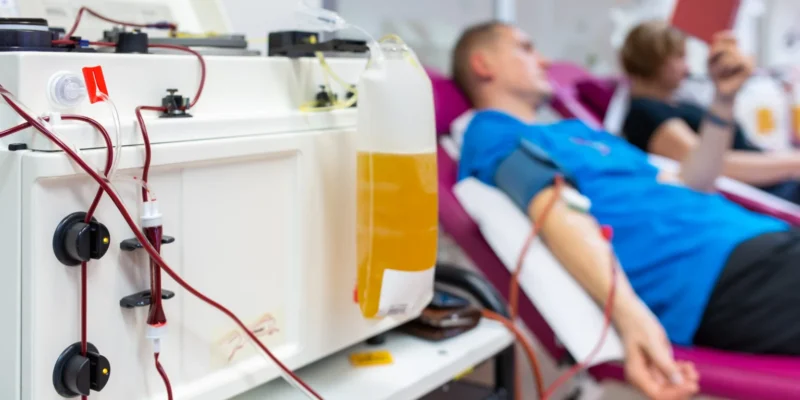
Salt Lake City boasts several Plasma Donation Centers spread throughout the city, each equipped with the latest technologies to ensure a safe and comfortable donation experience. Some of the most recognized centers include CSL Plasma, BioLife Plasma Services, and Octapharma Plasma, all of which cater to diverse donor needs. Donors can typically expect a streamlined process that begins with a health screening and an intake questionnaire to determine eligibility. Following this, the donation itself takes about 45 minutes to an hour, during which donors recline comfortably while trained medical staff monitor them.
The environment within these donation centers is deliberately designed to be welcoming, reinforcing that donations are acts of community solidarity. Many centers provide refreshments post-donation, and some even feature loyalty programs to reward repeat donations. Donors can find the process less intimidating and more pleasant by having a knowledgeable staff to answer any questions or concerns throughout the donation.
The Culture of Giving: Why Salt Lake City Residents Are Leading the Charge
Salt Lake City has established a robust culture of altruism that has made it an exemplary community for plasma donation in Salt Lake City Utah. The area’s close-knit population and shared commitment to health and well-being contribute to the high levels of engagement in donation programs. Numerous organizations and health advocates work tirelessly to educate residents on the significance of plasma donation and how it supports lifesaving treatments. Local campaigns in schools, places of worship, and community centers encourage individuals to consider donating plasma not only for their own sense of service but also for the well-being of neighbors in need.
Community events such as “Plasma Donation Days” and partnerships with local businesses further promote awareness and participation. The opportunity to help others while building relationships with fellow donors strengthens social cohesion and enhances the city’s sense of belonging. Stories of individuals whose lives have been positively affected by plasma donations continue to inspire residents. Through these personal testimonies, the life-changing impact of plasma donation becomes unmistakably clear, appealing to the empathy and goodwill that define the Salt Lake City community.
Incentives and Rewards: What You Gain from Donating Plasma
Monetary Compensation vs. Altruism: What’s Your Motivation?
Potential donors often grapple with the choice between altruism and compensation. While some plasma donation centers offer monetary incentives for each donation, others emphasize the moral imperative to give back to the community. The debate between these motivations raises important questions about the nature of charity and the value we place on human life. Medical establishments argue that while financial compensation can encourage more donors, it should not undermine the altruistic nature of donating plasma, which is at its core an act of humanity.
In Salt Lake City, the presence of donation centers offering both compensation and educational initiatives presents an opportunity for individuals to reflect on their motivations. Compensation can be substantial, varying widely based on the center and the frequency of donations. However, many donors also find intrinsic rewards through the connections they foster and the knowledge that their donations directly impact patients’ lives. It is essential to ensure that donors understand that they are contributing to something larger than themselves behind each donation is an often-unseen beneficiary whose life may depend on their generosity.
Building a Healthier You: The Health Benefits of Regular Plasma Donation
Yet, the benefits of plasma donation also extend to the donor physically, mentally, and emotionally. Engaging in regular plasma donation can have positive health impacts, such as improved cholesterol levels and hydration as donors are encouraged to maintain a healthy lifestyle leading up to their donation. Regular participation may also lead to improved blood circulation and red blood cell production, promoting overall cardiovascular health. Furthermore, each donation is a free opportunity for health screening; donors receive blood tests that can help identify underlying health issues. This synergy of giving while receiving care is appealing for many individuals committed to their health.
On an emotional and psychological level, the act of giving elicits feelings of fulfillment and joy. Many donors report a sense of bonding with the community and an uplifted mood following their donations. The knowledge that they have contributed to the well-being of those in need fosters a strong sense of purpose and satisfaction in their lives. Thus, the health benefits intertwine with the mission to help others, creating a mutually beneficial relationship between donors and recipients.
Getting Involved: How to Make a Difference Through Plasma Donation
Step-by-Step: Your First Plasma Donation Experience
Deciding to donate plasma is a significant and commendable choice; however, first-time donors may feel apprehensive about the process. Fortunately, understanding what to expect can ease these concerns. The journey begins with a visit to your chosen donation center, where you will undergo a health screening. This initial step assesses your eligibility, checking vital signs like blood pressure and hemoglobin levels to ensure you are fit to donate.
Once cleared, donors proceed to complete the paperwork, including a medical history questionnaire that explores factors like recent travel or health conditions. Following this, the collection itself takes place in a laid-back reclined position, typically using a needle inserted into the arm. Trained personnel closely monitor donors throughout the process, ensuring comfort and safety. After the donation, donors can enjoy refreshments to help replenish energy levels. This systematic, supportive approach is designed to empower donors, making the experience straightforward and safe.
Joining the Community: Support Groups and Events for Donors
Building a community around plasma donation facilitates connections that enhance the overall experience for donors. Many donation centers in Salt Lake City organize events and support groups that bring together donors to share experiences, provide support, and host educational sessions. By participating in community events such as plasma donation drives or health fairs, donors can meet like-minded individuals who share their passion for helping others, thereby fostering camaraderie and support.
Networking options do not only offer emotional benefits; they also provide opportunities for learning. Workshops, presentations, and community discussions can deepen understanding of plasma donation’s impact on both local and global scales, encouraging donors to feel connected to a greater cause. Contributing to these community initiatives facilitates continuous engagement and transforms occasional donors into regular contributors, enhancing the overall health of the community.










Comments