
 By
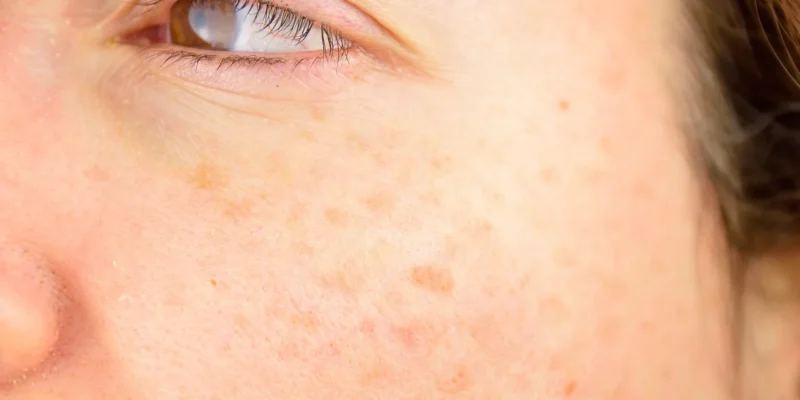
Your skin changes as you age. This is natural. But not all skin aging comes from time alone. A large part of it comes from the sun. Years of sun exposure slowly damage the skin. This process is called photo-aging. It leads to wrinkles, dark spots, and uneven tone. Many people notice these changes in their thirties or forties. Some see them even earlier. The skin may look dull. Fine lines appear faster. Pigmentation becomes more visible. These changes can feel sudden, but they are the result of long-term exposure. Understanding how sun and time affect your skin helps you take better care of it.
A simple look at light based skin support
Some people explore gentle methods that aim to support natural skin repair. When learning about skin care trends, you may come across discussions about the benefits of red light therapy, which is often described as a light based approach that supports the skin’s natural recovery process. This mention is shared only for general awareness and not to suggest or promote any treatment. Personal skin care choices should always be made with advice from a qualified professional.
What photo-aging really means
Photo-aging happens when ultraviolet rays damage the skin over time. Unlike natural aging, this type of damage comes from the outside. Sunlight breaks down collagen and elastin. These are the fibers that keep skin firm and smooth. As these fibers weaken, skin becomes thinner. Wrinkles form faster. The skin also loses its ability to repair itself quickly. This is why people who spend more time in the sun often show signs of aging earlier. Photo-aging is not only about looks. It also affects skin health.
Why pigmentation becomes more noticeable
Pigmentation occurs when certain areas of the skin produce more melanin. Melanin is the pigment that gives skin its color. Sun exposure triggers this process. Over time, dark spots appear on the face, hands, and shoulders. These are often called age spots, but they are mostly caused by sun damage. Hormonal changes can make pigmentation worse. Stress and inflammation also play a role. When the skin barrier is weak, it becomes more sensitive to light and damage.
Daily habits that speed up skin aging
Your daily routine has a big impact on how your skin ages. Skipping sunscreen is one of the biggest mistakes. Even on cloudy days, ultraviolet rays reach your skin. Without protection, damage builds slowly. Lack of sleep affects skin repair. Poor diet reduces the nutrients your skin needs to stay healthy. Smoking and pollution increase stress on skin cells. All these factors work together. Over time, they speed up both aging and pigmentation.
Simple steps to protect your skin
You cannot stop time, but you can protect your skin from unnecessary damage. Use sunscreen every day. Choose one that protects from both UVA and UVB rays. Apply it even when staying indoors near windows. Wear hats and sunglasses when outdoors. Covering your skin reduces direct exposure. Clean your skin gently. Harsh scrubs damage the skin barrier. Use mild cleansers instead. Moisturize daily. Hydrated skin heals better and looks healthier. Drink enough water. Hydration supports skin from the inside.
How inflammation affects long term skin health
Inflammation is often overlooked. When skin stays inflamed, it ages faster. Redness, irritation, and sensitivity are signs of ongoing stress. Sun exposure increases inflammation. So does pollution. Over time, this weakens the skin’s defense system. Calm skin tends to age slower. This is why gentle care is often better than aggressive treatments.
A note on modern skin care approaches
Today, many people are curious about methods that focus on supporting natural healing. You may sometimes hear about Celluma light based skin therapy, which is described as a way of using controlled light to assist the skin’s natural repair process. This reference is shared only to explain what types of approaches exist today and not to promote any treatment. Always rely on professional advice for skin health decisions.
When to seek professional advice
If pigmentation becomes darker or changes shape, it is important to consult a skin specialist. Some spots may need medical evaluation. Early guidance helps prevent long term damage. It also gives you peace of mind. Skin changes should never be ignored, especially when they happen quickly.
Building a long term skin care mindset
Healthy skin is not built overnight. It takes time and consistency. Protecting your skin today helps you tomorrow. Small daily habits add up. Gentle care, sun protection, and good nutrition make a real difference over the years. Instead of chasing quick fixes, focus on steady care.
Final thoughts
Photo-aging and pigmentation are signs of how sun and time affect your skin. These changes happen slowly, but they are not completely out of your control. By understanding the causes, protecting your skin, and choosing simple healthy habits, you can slow down visible aging. Your skin tells your life story. Taking care of it today helps it look healthier for years to come.











Comments