
 By
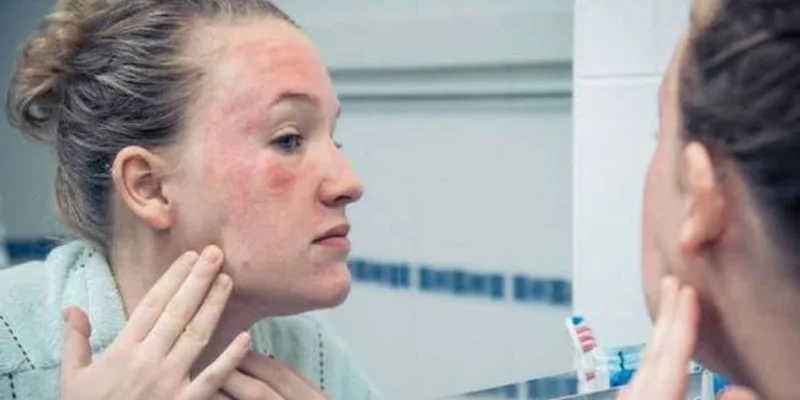
In May 2017, a pivotal event took place in London. The Skin Matters conference at The Wellcome Institute brought together experts to address the significant burden of dermatological illness.
This gathering highlighted a critical, often overlooked connection. Chronic visible ailments do more than affect the body’s largest organ. They can profoundly influence a person’s mental wellbeing and social life.
Our skin acts as a primary interface for all human interaction. When its appearance changes, the effects ripple through daily activities, self-confidence, and relationships. This article explores these deep-seated effects within a British context.
By reviewing recent clinical data and expert analysis, we provide essential insights. The goal is to support both individuals living with a persistent skin condition and the professionals who care for them.
A clear need exists for better integrated services. The UK’s dermatology framework must more effectively incorporate mental health support to improve patient outcomes. Specialists, including those from Surgical Arena Ltd, offer valuable perspectives on these historical and ongoing challenges.
Key Takeaways
- Chronic skin problems can have a major effect on mental wellbeing and quality of life.
- The dermis is our main social interface, meaning visible changes can disrupt daily living.
- Clinical evidence continues to underscore the need for a holistic approach to patient care.
- Integrating psychological support within dermatology services is an urgent priority in the UK.
- Expert insights reveal the complex challenges patients face within the healthcare system.
- The 2017 Skin Matters conference was a key moment in raising awareness of this issue.
- Understanding this link is vital for improving long-term health outcomes for millions.
Introduction to Skin Disease and Mental Health in the UK
Living with a chronic skin disorder extends far beyond physical discomfort for many Britons. These persistent issues are a common feature of life across the nation. Yet, their substantial effect on emotional wellbeing is frequently minimised.
A holistic view of patient care is now seen as essential. It recognises the deep link between our physical state and our mind.
Overview of Chronic Skin Conditions
Conditions like eczema and psoriasis are widespread. They involve inflammation, itching, and visible changes to the skin. These are long-term health problems with no simple cure.
Their management becomes a daily routine. The table below outlines some key chronic skin conditions and their broader implications.
| Condition | Primary Symptoms | UK Prevalence Estimate | Common Emotional Correlates |
|---|---|---|---|
| Eczema (Atopic Dermatitis) | Dryness, intense itching, red inflamed patches | Approx. 1 in 5 children, 1 in 10 adults | Anxiety, sleep disturbance, frustration |
| Psoriasis | Raised, red, scaly plaques | Affects around 2% of the population | Social anxiety, lowered self-esteem, depression |
| Chronic Urticaria (Hives) | Recurrent, itchy wheals on the skin | Up to 1% of people at any given time | Stress, embarrassment, unpredictability anxiety |
Linking Physical and Psychological Wellbeing
The connection is undeniable. Research indicates a striking figure: up to 85% of dermatology patients state the emotional aspect of their illness is a major component.
Itch and pain can dominate one’s thoughts. This often leads to severe struggles with anxiety or clinical depression. A self-perpetuating cycle can begin.
Physical symptoms worsen underlying distress. This distress can, in turn, exacerbate the visible skin condition. Breaking this cycle requires integrated support for both body and mind.
Understanding Chronic Skin Conditions
The landscape of dermatology in Britain is dominated by a few prevalent, long-term skin conditions. Managing these issues is a daily reality for millions, extending well beyond temporary irritation.
Common Conditions: Eczema and Psoriasis
Eczema and psoriasis are among the most frequent diagnoses. Eczema, characterised by dry, itchy patches, and psoriasis, known for raised plaques, are widespread.
Data from the 2017 Skin Matters conference underscored their prevalence. Over half of the survey participants reported living with one of these two skin conditions.
This highlights how central these ailments are within clinical practice. They often cause physical pain and considerable emotional distress.
Diverse Range of Skin Disorders
Beyond these common examples exists a broad spectrum of other dermatological disorders. These are far from superficial cosmetic concerns.
They represent a diverse range of medical problems that can impose serious limits on daily life. The skin’s appearance can become a constant source of anxiety.
Patients frequently report feelings of embarrassment and a strong desire to conceal affected areas. Acknowledging the true severity of these chronic disorders is crucial for effective support.
Psychological Impact of Skin Disease UK
Liam’s experience with lifelong eczema reveals how skin conditions can reshape one’s relationship with the world. From infancy, his visible skin issues led to avoiding mirrors and school activities.
Emotional Consequences and Daily Challenges
Shame and embarrassment are common emotional consequences. These feelings often trigger social withdrawal, as Liam hid his skin under jumpers.
Daily life brings physical hurdles too. Pain can make simple activities, like holding a pen, very difficult. This creates persistent issues with self-image.
| Challenge Area | Physical Symptom | Emotional Response | Effect on Routine |
|---|---|---|---|
| Social Engagement | Visible flares | Embarrassment, shame | Avoidance of gatherings |
| Basic Activities | Pain, itching | Frustration, anxiety | Difficulty with tasks |
| Self-Perception | Altered appearance | Low self-esteem | Mirror avoidance |
These challenges highlight why the impact on mental wellbeing requires urgent attention. Addressing both physical and emotional aspects is key for better quality of life.
Clinical Survey Insights from the Skin Matters Conference
The 2017 Skin Matters conference provided a crucial snapshot of patient sentiment through its delegate survey. Held on 20 May, it gathered individuals directly affected by various dermatological issues. A dedicated survey captured their experiences and needs.
Of the 75 attendees, 59% participated in this research. This response rate offers a solid foundation for the data collected. The findings paint a clear picture of the current care landscape.
Key Findings and Patient Perspectives
A dominant theme emerged from the survey results. An overwhelming 77% of respondents felt they would benefit from increased psychological support. This highlights a significant gap between available services and patient demand.
Individuals are actively seeking more comprehensive support to manage their condition. The current system often fails to address these specific needs. This disconnect can hinder effective long-term management.
Data on Mood, Stress and Social Isolation
The collected data pinpointed common emotional challenges. Issues with mood, persistent stress, and feelings of isolation were frequently reported. These factors heavily influence a person’s day-to-day life.
Analysing this survey information helps researchers understand the lived reality for many patients. It underscores that managing a skin condition involves much more than treating physical symptoms. Holistic care must address these emotional dimensions to be truly effective.
The Relationship Between Skin Disease and Mental Health
Consultant dermatologist Dr Anjali Mahto observes a clear pattern in her clinic. Visible skin disease frequently leads to social withdrawal and considerable distress. This establishes a powerful two-way link between physical symptoms and mental health.
Effects on Self-Esteem and Confidence
When the skin’s appearance changes, it can severely challenge a person’s self-image. Dr Mahto explains that this often results in low confidence and a decline in mental health. The living skin is our social canvas, making flaws feel intensely public.
The specialty of psychodermatology exists to study this connection. It focuses on how skin conditions and emotional wellbeing are intertwined in clinical practice.
Patient Heather describes her eczema as a barometer for her anxiety. Flare-ups often signal a worsening of her inner state. This creates a vicious cycle where stress aggravates the skin, which in turn fuels more stress or depression.
| Aspect | Physical Trigger | Emotional Effect | Behavioural Outcome |
|---|---|---|---|
| Self-Perception | Visible plaques or rash | Embarrassment, low self-worth | Avoidance of mirrors and photos |
| Social Interaction | Itching or pain in public | Heightened self-consciousness | Withdrawal from social events |
| Emotional Regulation | Unpredictable flare-up | Frustration, anxiety | Irritability, sleep disturbance |
| Long-term Management | Chronic, visible symptoms | Hopelessness, depression risk | Disengagement from treatment |
It is vital for clinicians to see the skin as a core part of a person’s confidence, not just a physical organ. Recognising this is the first step towards breaking the isolating cycle.
Role of the Internet and Social Media in Providing Support
The rise of the internet has created unprecedented access to peer-led support for those with visible conditions. Data from the Skin Matters conference highlighted this shift. Attendees identified the web as their most popular source for psychological support.
This digital landscape offers vital information and connection with others who face similar challenges. People can now find dedicated forums and groups from their own homes.
Online Communities and Resource Accessibility
Social media platforms allow patients to share personal stories. This sharing can significantly reduce the isolation that often accompanies a chronic skin condition.
Resource accessibility improves through online portals. These sites guide individuals to local self-help groups and clinical support services. They provide reliable information on managing symptoms and treatments.
While the internet provides valuable support, it should complement professional care. It cannot replace the tailored help available through the NHS or private clinics.
Connecting with others online delivers essential emotional support. This helps manage the daily burden that comes with a visible issue. The sense of community fosters resilience.
Therapeutic Approaches and Psychological Support
Beyond topical creams and medications, a growing body of evidence supports the use of psychological therapies for skin health. Managing a persistent skin condition often requires addressing the emotional burden it creates.
A wide range of therapeutic options now exists to provide this essential help. These approaches aim to break the cycle where stress exacerbates physical skin symptoms.
Cognitive Behavioural Therapy and Counselling
Cognitive Behavioural Therapy (CBT) offers structured psychological support. It helps individuals identify and change negative thought patterns about their condition.
Through counselling, patients learn coping strategies for daily challenges. This treatment can reduce the anxiety that often worsens the skin’s appearance.
Mindfulness, Meditation and Alternative Techniques
Mindfulness-based stress reduction shows particular promise. Research indicates it can help patients with psoriasis require less ultraviolet radiation during phototherapy.
Such techniques foster a calmer mental state, aiding overall wellbeing. They offer crucial psychological support alongside conventional medical treatment.
The Importance of a Multidisciplinary Approach
Historically, dermatology and psychology have operated in separate silos within the NHS. This division has often left individuals with complex needs navigating two distinct systems. A combined clinical strategy is now recognised as vital.
Integrating Dermatological and Psychological Care
True integration means creating pathways where skin specialists and mental health professionals work together. A 2013 report revealed a stark shortfall. Only three out of 127 UK hospitals offered a dedicated psychodermatology service.
This gap shows how far the system must evolve. For patients with persistent conditions, such a model is transformative. It addresses the physical treatment and the accompanying emotional burden simultaneously.
Holistic services lead to better health outcomes and can be more cost-effective. They prevent the worsening of skin conditions fuelled by unchecked stress. Investing in these integrated services is a clear priority for the future of dermatological care.
Challenges Facing the UK Healthcare System
The capacity of the National Health Service to deliver timely dermatological care is under immense strain. Systemic constraints create significant barriers for individuals seeking specialist help. These hurdles affect both physical treatment and overall wellbeing.
A critical shortage of medical experts poses a direct threat. Only around 650 consultant dermatologists serve the entire United Kingdom. This scarcity forces long delays for essential appointments.
Resource Limitations in Dermatology Services
Current services cannot meet patient demand. The lack of specialists leads to extended waiting times. In England, people may wait up to five months for a first consultation.
In Wales, the delay can stretch to two years. This postcode lottery in access is a major concern. Prolonged waits often worsen both skin conditions and personal distress.
| UK Nation | Estimated Consultant Dermatologists | Typical First Appointment Wait |
|---|---|---|
| England | ~500 | Up to 5 months |
| Wales | ~50 | Up to 2 years |
| Scotland | ~70 | Up to 9 months |
| Northern Ireland | ~30 | Up to 12 months |
These delays mean patients often suffer needlessly. Their skin health can deteriorate without prompt care. The effect on mental wellbeing during these waiting times is considerable.
Addressing these systemic issues is vital. Investment in dermatology services must increase. A robust service ensures all patients receive timely, effective treatment.
Without adequate resources, the nation’s health will be compromised. Sustainable funding and workforce planning are urgent priorities. This is essential for managing chronic skin conditions properly.
Insights from Recent Clinical Research and Reports
The findings of the All-Party Parliamentary Group on Skin offer a critical, evidence-based perspective on systemic shortcomings. This cross-party body has published important analyses over the years.
Its work relies heavily on patient survey data to build a compelling case for change. The reports provide a longitudinal view of care standards.
Survey Data and Longitudinal Trends
Key publications from this parliamentary group appeared in 2003 and again in 2013. A decade apart, both documents highlighted a persistent lack of progress.
They showed that support for people with chronic skin conditions remained insufficient. The table below summarises this troubling trend.
| Report Year | Primary Focus | Core Finding on Progress |
|---|---|---|
| 2003 | Initial mapping of patient need and service gaps | Identified a significant shortfall in integrated care. |
| 2013 | Follow-up review a decade later | Found minimal improvement, with services still failing to meet demand. |
This research acts as a clear call to action for policymakers. The consistent data underscores a failure to translate evidence into better resources.
Analysing this longitudinal information is vital. It shows where the group’s recommendations must drive meaningful healthcare policy change.
Perspectives from Leading Experts
Expert analysis from key organisations highlights the urgent need for integrated treatment models. Leading voices in dermatology are advocating for a fundamental change in clinical practice.
They argue that managing persistent skin conditions requires looking beyond the surface. A holistic view addresses both physical symptoms and emotional wellbeing.
Expert Commentary from Surgical Arena Ltd
Specialists from Surgical Arena Ltd provide a clear professional perspective. They stress that mental health support must become standard within dermatology services.
Their commentary notes that current research and clinical reports point to this necessity. Translating evidence into practical help is a critical next step.
This approach would better serve others living with similar chronic skin issues across the UK.
Thoughts Offered by The Psychodermatologist
The Psychodermatologist offers valuable thoughts for clinicians. They emphasise how to better support patients by acknowledging the emotional burden.
Listening to the experiences of others in the field can develop more effective strategies. This shared knowledge is vital for managing the burden of these conditions.
Both experts agree on a future where skin care focuses on the whole person. This vision prioritises compassionate, comprehensive treatment for all.
Coping Strategies for Patients Living with Skin Disease
A positive mindset can transform the experience of living with a challenging dermatological condition. Myra, who lives with epidermolysis bullosa, exemplifies this. She focuses on gratitude and a change in perspective to manage her daily reality.
This approach is a cornerstone of effective coping. It helps individuals navigate the persistent demands of their health.
Practical Tips for Managing Daily Impact
For those living with a skin condition, small adaptations make a big difference. Structuring the day around gentle activities can conserve energy.
Open communication about needs is vital for maintaining relationships and work life. Myra’s strategy shows that acknowledging small wins builds resilience.
“I choose to focus on what I can do, not what I can’t. It changes everything,” she explains.
Managing the impact on daily skin management often involves practical routines. These reduce stress and prevent flare-ups.
Support Groups and Self-Help Resources
Joining a support group provides a powerful sense of community. It connects people facing similar conditions.
Sharing strategies within a group setting offers practical help and reduces isolation. This connection is invaluable for those living with a visible skin issue.
Many find strength in these shared experiences. They learn new ways to handle the impact on skin and overall wellbeing.
Ultimately, these coping methods improve quality of life. They empower individuals living with this condition to face each day with greater confidence.
Conclusion
The evidence presented throughout this discussion points to a critical juncture in British dermatological care. Chronic skin conditions like psoriasis and eczema demand a care model that fully integrates mental health support.
Survey data and parliamentary reports highlight systemic gaps. Patients often struggle with daily activities and their confidence without adequate help.
Future work must strengthen relationships between clinical specialities. This multidisciplinary service approach is key to improving overall quality of life.
Policymakers should use this research to prioritise holistic frameworks. Investing in these integrated systems will provide the comprehensive support that millions require.







Comments