
 By

Women’s health is a multifaceted journey that begins in adolescence and continues through various stages of life, encompassing crucial transitions such as puberty, reproductive years, pregnancy, menopause, and beyond. Navigating these stages requires comprehensive care tailored to address the unique physical, emotional, and social needs of women. From preventive screenings to management of chronic conditions and hormonal changes, comprehensive women’s care ensures that women receive the support and resources necessary for optimal health and well-being at every age.
Adolescence: Establishing Foundations For Health
Adolescence marks the onset of significant physical and emotional changes as girls transition into womanhood. Comprehensive women’s care during this stage emphasizes education and support to navigate puberty, menstrual health, and reproductive education. Regular gynecological check-ups, vaccinations, and screenings for conditions like polycystic ovary syndrome (PCOS) or endometriosis are essential components of adolescent healthcare. Furthermore, addressing mental health concerns such as body image issues, anxiety, or depression is vital to promoting overall well-being during this formative period.
Reproductive Years: Fertility, Pregnancy, And Beyond
During their reproductive years, women require comprehensive care that encompasses family planning, fertility support, prenatal care, and postpartum support. Access to contraception, fertility counseling, and preconception care are essential for women planning to conceive. Prenatal screenings, nutritional counseling, and routine prenatal examinations all contribute to a healthy pregnancy and a decreased likelihood of complications. Additionally, postpartum care addresses physical recovery, mental health, breastfeeding support, and contraception options to support women as they transition into motherhood.
Menopause: Navigating Hormonal Changes
Hormonal fluctuations that can have an effect on a woman’s physical and mental health accompany menopause, which signifies the end of a woman’s reproductive years. Managing symptoms, including vaginal dryness, hot flashes, mood fluctuations, and sleep disturbances, is the primary objective of comprehensive menopausal care. Alternative treatments such as herbal supplements or hormone replacement therapy (HRT) may be suggested in order to ameliorate symptoms and enhance overall well-being, in addition to lifestyle adjustments. Regular screenings for conditions like osteoporosis, cardiovascular disease, and breast cancer become increasingly important during this stage.
Chronic Disease Management: Addressing Long-Term Health
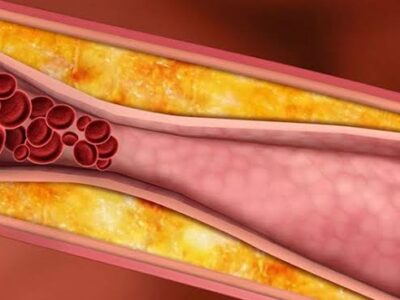
Women are at risk of developing various chronic conditions, such as diabetes, hypertension, autoimmune diseases, and cancer, which require ongoing management and monitoring. Comprehensive women’s care involves preventive measures such as vaccinations, screening tests, and lifestyle interventions to reduce the risk of chronic diseases. For those already living with chronic conditions, personalized treatment plans, medication management, and regular follow-ups are essential to maintain optimal health and prevent complications. Moreover, addressing the unique challenges that women face in managing chronic diseases, such as balancing caregiving responsibilities or hormonal fluctuations, is crucial for holistic care.
Mental Health And Emotional Well-Being: Integrating Mind And Body
Women’s health extends beyond physical well-being to encompass mental and emotional health. Comprehensive women’s care integrates mental health screenings, counseling services, and support groups to address issues such as depression, anxiety, trauma, or eating disorders. Recognizing the interconnectedness of mind and body, healthcare providers work collaboratively to provide holistic care that promotes resilience, coping skills, and self-care strategies. By prioritizing mental health, comprehensive women’s care ensures that women receive the support they need to thrive emotionally and psychologically throughout their lives.
Conclusion
From adolescence to aging, comprehensive women’s care recognizes the diverse needs and experiences of women at every stage of life. By addressing physical, emotional, and social factors, healthcare providers can deliver personalized care that promotes optimal health and well-being. Empowering women with knowledge, resources, and support enables them to navigate life’s transitions with confidence and resilience. Ultimately, comprehensive women’s care is not just about treating illness but about nurturing women to live their fullest, healthiest lives at every age.










Comments