
 By

Neuropathy, a condition characterized by nerve damage, can manifest as tingling, numbness, pain, or weakness in various parts of the body. Effective treatment is essential to manage symptoms and improve quality of life. In recent years, Platelet Rich Plasma therapy has emerged as a promising option alongside traditional treatments. This article explores neuropathy treatment modalities, with a focus on the benefits and efficacy of PRP therapy.
Understanding Neuropathy
Neuropathy can result from various factors, including diabetes, infections, traumatic injuries, autoimmune diseases, and exposure to toxins. The condition affects the peripheral nervous system, disrupting communication between the brain and other parts of the body. Common symptoms include tingling sensations, numbness, burning pain, and muscle weakness, which can significantly impact daily activities and overall well-being.
Traditional Neuropathy Treatments
- Medications: Prescription drugs such as pain relievers, antidepressants, and anticonvulsants are commonly used to manage neuropathic pain.
- Physical Therapy: Exercises and techniques aimed at improving strength, flexibility, and mobility can help alleviate symptoms and prevent further nerve damage.
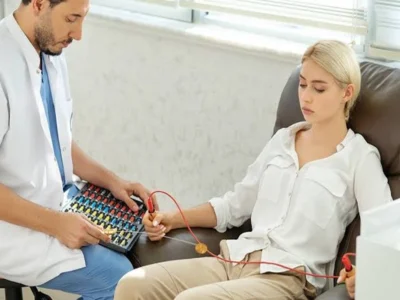
- Transcutaneous Electrical Nerve Stimulation (TENS): This therapy involves the use of low-voltage electrical currents to provide pain relief by interfering with pain signals sent to the brain.
- Lifestyle Modifications: Maintaining a healthy diet, exercising regularly, managing blood sugar levels, and avoiding alcohol and tobacco can help manage neuropathy symptoms.
The Promise of Platelet Rich Plasma (PRP) Therapy
PRP therapy is a regenerative treatment that utilizes the patient’s own blood components to stimulate healing and tissue repair. The process involves extracting a small sample of blood, processing it to concentrate platelets, growth factors, and other bioactive proteins, and then injecting the resulting PRP solution into the affected area.
Benefits of PRP Therapy for Neuropathy
- Natural Healing: PRP therapy harnesses the body’s innate healing mechanisms to promote nerve regeneration and repair damaged tissues.
- Minimally Invasive: PRP injections are performed on an outpatient basis and typically require minimal recovery time, making them a convenient option for patients.
- Reduced Risk of Side Effects: Since PRP is derived from the patient’s own blood, the risk of adverse reactions or rejection is minimal compared to synthetic medications or surgical interventions.
- Long-lasting Relief: While the number of PRP sessions needed may vary depending on the severity of the neuropathy, many patients experience sustained improvement in symptoms over time.
Case Studies and Research Findings
Several studies have investigated the efficacy of PRP therapy for neuropathy treatment, with promising results. A randomized controlled trial published in the Journal of Neurology Research demonstrated significant reductions in pain and improvement in nerve conduction velocity among patients receiving PRP injections compared to those receiving a placebo. Similarly, a retrospective study published in Pain Medicine reported favorable outcomes in patients with diabetic neuropathy treated with PRP injections.
Conclusion
Neuropathy can significantly impact quality of life, but effective treatment options are available to manage symptoms and promote healing. While traditional treatments such as medications and physical therapy remain cornerstone approaches, emerging modalities like Platelet Rich Plasma (PRP) therapy offer promising avenues for patients seeking natural, minimally invasive solutions. As research continues to advance, PRP therapy holds the potential to revolutionize neuropathy treatment and improve outcomes for patients worldwide.









Comments