
 By
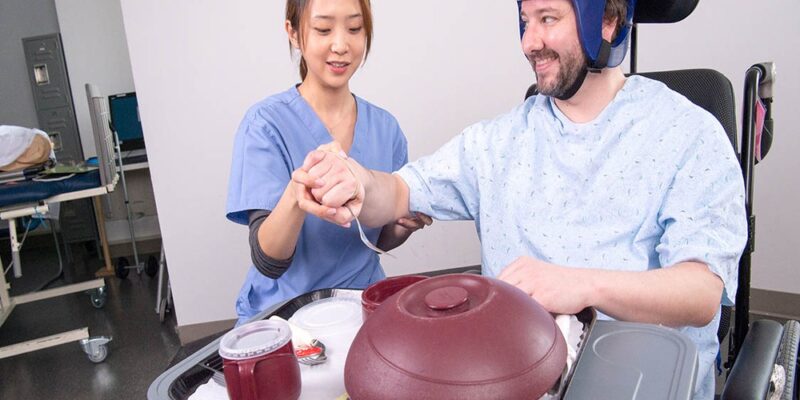
Traumatic brain injuries can significantly affect a person’s ability to think, remember, focus, and process information. These changes can make everyday tasks more difficult and often require structured rehabilitation to restore cognitive function. Traumatic brain injury therapies play an essential role in helping individuals regain mental clarity and improve their quality of life. With the right combination of medical care, rehabilitation techniques, and consistent support, many patients can experience meaningful cognitive recovery over time.
Understanding Cognitive Challenges After Brain Injury
Cognitive difficulties are among the most common effects of a traumatic brain injury. These challenges can vary depending on the severity of the injury and the areas of the brain affected. Some individuals may experience memory loss, difficulty concentrating, slower thinking, or trouble organizing thoughts. Others may struggle with problem-solving or communication skills, which can impact both personal and professional life.
Traumatic brain injury therapies are designed to address these specific cognitive impairments. The brain has a remarkable ability to adapt and rewire itself through a process known as neuroplasticity. Rehabilitation programs take advantage of this ability by encouraging repeated mental exercises and structured activities that stimulate recovery. Over time, these targeted interventions help the brain rebuild connections and improve cognitive performance.
Early intervention is often important in maximizing recovery potential. When therapies begin soon after stabilization, patients are more likely to regain lost functions and develop compensatory strategies for areas that may not fully recover. This approach ensures that cognitive challenges are addressed before they become long-term limitations.
Key Approaches in Traumatic Brain Injury Therapies
Traumatic brain injury therapies involve a combination of specialized treatments tailored to each individual’s needs. Cognitive rehabilitation therapy is one of the most widely used approaches. This therapy focuses on improving memory, attention, and executive functioning through structured exercises and guided practice. Patients may work on tasks that involve recalling information, solving problems, or completing step-by-step instructions.
Speech and language therapy is another important component of recovery. Brain injuries can affect communication skills, making it difficult for individuals to express thoughts or understand others. Therapists help patients rebuild these abilities through targeted exercises that improve language processing, articulation, and comprehension.
Occupational therapy also plays a key role in cognitive recovery. This form of therapy helps individuals relearn everyday tasks such as managing schedules, handling finances, or performing household activities. By integrating cognitive skills into real-life situations, patients can gradually regain independence.
In some cases, computerized cognitive training programs are used as part of traumatic brain injury therapies. These programs provide interactive exercises that challenge memory, attention, and reaction time. The structured nature of these tools allows for consistent practice and measurable progress over time.
Emotional and psychological support is also essential. Many individuals with brain injuries experience frustration, anxiety, or depression due to cognitive changes. Counseling and behavioral therapy help patients cope with emotional challenges while staying motivated throughout their recovery journey.
The Importance of Consistency in Cognitive Rehabilitation
Consistency is a critical factor in the success of traumatic brain injury therapies. Cognitive recovery does not happen overnight, and steady participation in rehabilitation activities is necessary to achieve long-term improvement. Regular therapy sessions help reinforce neural pathways and strengthen the brain’s ability to adapt.
A structured routine also helps patients build confidence. As small improvements become noticeable, individuals are encouraged to continue their efforts. This positive reinforcement plays an important role in maintaining motivation throughout the recovery process.
Family involvement can further enhance consistency and progress. When loved ones participate in therapy goals and daily exercises, patients often feel more supported and engaged. This collaborative approach helps create a stable environment that encourages healing and reduces feelings of isolation.
Progress in cognitive recovery may vary from person to person. Some individuals may experience rapid improvements, while others may require longer periods of rehabilitation. Regardless of the timeline, ongoing participation in traumatic brain injury therapies remains essential for achieving the best possible outcomes.
Long-Term Benefits of Traumatic Brain Injury Therapies
The long-term benefits of traumatic brain injury therapies extend beyond cognitive improvement. As mental functions gradually return, individuals often regain independence in daily activities and improve their overall quality of life. Enhanced memory and attention skills make it easier to return to work, continue education, or engage in social activities.
Therapy also helps individuals develop coping strategies for any remaining challenges. Even when full recovery is not possible, patients can learn techniques to manage limitations effectively. This adaptability allows them to lead fulfilling lives despite cognitive changes.
Another important benefit is increased emotional resilience. As individuals progress through therapy, they often gain a stronger sense of control over their condition. This improved confidence contributes to better mental health and overall well-being.
Traumatic brain injury therapies provide a structured and supportive path toward cognitive recovery. Through consistent rehabilitation, personalized treatment plans, and ongoing support, individuals can make meaningful progress in rebuilding cognitive function and improving their daily lives.











Comments