
 By

A full body checkup is a comprehensive evaluation of your overall health. It involves a series of tests that assess your vital functions, identify potential health risks, and ensure that your body systems are functioning optimally. This guide provides a detailed look at what tests are included in a full body checkup, how the process works, and what to keep in mind to get the most out of your health screening.
What is Included in a Full Body Checkup?
A full body checkup consists of several tests that give a thorough picture of your health. These tests cover everything from basic blood parameters to advanced imaging scans. Below is a breakdown of the common tests you can expect.
- Blood Tests for Comprehensive Health Assessment
Blood tests are at the core of any full body checkup. They help analyze several critical markers of health:
- Complete Blood Count (CBC): This test evaluates red blood cells, white blood cells, and platelets to detect infections, anemia, or blood-related conditions.
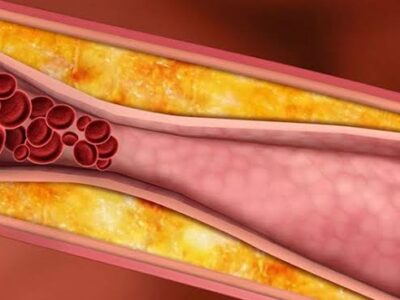
- Lipid Profile: Measures cholesterol levels, including HDL (good cholesterol), LDL (bad cholesterol), and triglycerides to assess cardiovascular health.
- Blood Sugar Tests: Includes fasting blood sugar and HbA1c tests to check for diabetes or prediabetes.
- Liver Function Test (LFT): Assesses liver enzymes, proteins, and bilirubin levels to monitor liver health.
- Kidney Function Test (KFT): Measures creatinine, blood urea nitrogen (BUN), and electrolytes to check kidney function.
- Thyroid Function Tests: T3, T4, and TSH levels are analyzed to ensure proper thyroid gland function.
- Urine Analysis for Kidney and Metabolic Health
Urine tests are an integral part of the full body checkup. They detect:
- Infections: Presence of bacteria or white blood cells.
- Protein Levels: Indicators of kidney function or damage.
- Glucose or Ketones: Signs of diabetes or metabolic irregularities.
- Microscopic Examination: To identify abnormalities in urine components.
- Cardiac Health Evaluation
A full body checkup often includes cardiac assessments to ensure your heart is functioning optimally. These tests include:
- Electrocardiogram (ECG): A non-invasive test that records the heart’s electrical activity and detects irregular rhythms.
- Echocardiography (ECHO): A detailed ultrasound of the heart that evaluates heart size, structure, and pumping efficiency.
- Blood Pressure Monitoring: Ensures your blood pressure is within a healthy range to reduce risks of hypertension or cardiovascular issues.
- Imaging Tests for Internal Organs
Advanced imaging helps doctors examine organs and tissues in detail. Key imaging tests in a full body checkup include: - Chest X-Ray: A quick test to assess the lungs, heart, and ribcage for abnormalities. If you’re unfamiliar with how these scans work or when they’re recommended, here’s everything you need to know about X-rays in Singapore.
- Abdominal Ultrasound: Provides clear imaging of the liver, kidneys, gallbladder, and pancreas. It detects stones, cysts, or fatty liver.
- Bone DEXA Scan: Measures bone density to detect osteoporosis or early signs of bone loss.
- Hormonal Tests for Hormonal Imbalances
Hormonal levels play a critical role in maintaining the body’s equilibrium. Tests like estrogen, progesterone, testosterone, and cortisol can detect hormonal imbalances that may cause fatigue, weight gain, or reproductive health concerns. - Cancer Screening Tests for Early Detection
A comprehensive full body checkup can include screening for common cancers to detect them early:
- Pap Smear (For Women): A test for early detection of cervical cancer.
- Mammogram (For Women): A screening test for breast cancer.
- PSA Test (For Men): Prostate-specific antigen test for prostate cancer screening.
- Fecal Occult Blood Test: A stool test that detects hidden blood as an indicator of gastrointestinal issues, including colon cancer.
- Vitamin and Mineral Deficiency Tests
Vitamin and mineral deficiencies are common and can impact your energy, immune function, and bone health. The following tests are often included:
- Vitamin D Levels: Essential for bone health and immune function.
- Vitamin B12 Levels: A critical vitamin for neurological health and red blood cell production.
- Iron and Ferritin Levels: Checks for anemia or iron overload.
How a Full Body Checkup Works
The process of a full body checkup is straightforward and usually takes a few hours:
- Pre-Checkup Preparation: You may be asked to fast for 8-12 hours before the blood tests. Avoid caffeine, alcohol, and heavy meals the day before.
- Physical Examination: A general physical examination is conducted to check height, weight, BMI, and blood pressure.
- Sample Collection: Blood, urine, and stool samples are collected for analysis.
- Imaging and Scans: The required imaging tests, like X-rays or ultrasounds, are performed.
- Consultation: Once the results are available, the doctor reviews your reports, explains any findings, and suggests preventive steps or further investigations if necessary.
Why a Full Body Checkup is Important
- Early Detection of Health Problems: Regular screenings identify potential issues before they become serious.
- Prevention Over Treatment: Preventive care is cost-effective and minimizes future health risks.
- Peace of Mind: A clean bill of health offers reassurance and motivates healthy habits.
- Monitor Existing Conditions: People with chronic conditions like diabetes or hypertension can track their progress.
What to Remember Before Your Full Body Checkup
- Fasting is Key: Follow fasting instructions provided by the clinic to ensure accurate results.
- Stay Hydrated: Drink water before your tests, as hydration helps with blood collection.
- Wear Comfortable Clothes: Opt for loose-fitting clothes for easy physical examinations and imaging tests.
- Bring Previous Reports: Share past health records to give your doctor a comprehensive view of your medical history.
- List Medications: Provide a list of any current medications or supplements you take.
Conclusion
A full body checkup is a powerful tool for taking charge of your health. By undergoing regular screenings, you can detect health issues early, maintain overall well-being, and ensure peace of mind. The tests included in a full body checkup provide critical insights into your body’s internal systems, allowing you to make informed health decisions. Make it a priority to schedule your full body checkup today and take the first step toward a healthier life.
This comprehensive Full Body Checkup Guide equips you with all the details about what to expect during the screening process. Regular preventive care is the key to staying healthy and ensuring your body continues to function at its best.










Comments