
 By
Introduction:
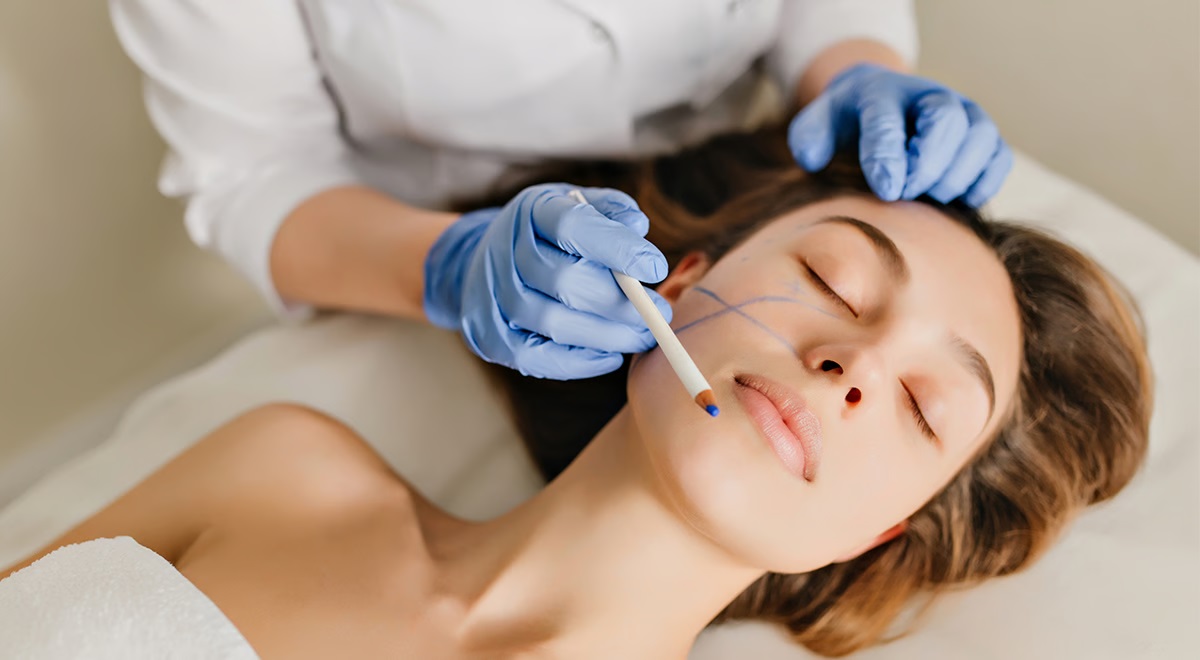
Generation Z, the digital natives born from the mid-1990s to the early 2010s, are entering adulthood with distinct values and perspectives that significantly influence various industries, including cosmetic surgery. With their profound connectivity to digital media and progressive views on individuality and authenticity, Gen Z’s approach to aesthetic enhancements is reshaping trends and practices within the cosmetic surgery landscape. This generation’s unique blend of technological savvy, heightened social awareness, and diverse beauty ideals is crafting a new narrative in the realm of cosmetic enhancements.
Embracing Technology and Innovation:
Gen Z has grown up with the internet and social media at their fingertips, environments that not only expose them to global beauty standards but also offer platforms for diverse expressions of beauty. Influenced by Instagram, TikTok, and YouTube, where visual aesthetics reign supreme, Gen Zers are more open to and informed about cosmetic procedures than previous generations. They are driving demand for innovative, non-invasive treatments that offer subtle enhancements and minimal downtime, such as laser therapies, fillers, and new skin rejuvenation techniques.
A Shift Towards Customization and Authenticity:
Unlike generations before them, Gen Z places a high premium on authenticity and individuality. This is reflected in their cosmetic surgery choices, which are increasingly customized to enhance rather than change their features. Gen Zers are more likely to seek procedures that align with their personal identity and expressions, preferring natural-looking results that maintain their unique characteristics. This desire for authenticity is shifting the cosmetic surgery industry away from one-size-fits-all solutions and towards more tailored, patient-centric approaches.
Preventative Procedures and Early Intervention:
Gen Z’s proactive approach to health and wellness extends into their perspective on cosmetic surgery, with many opting for preventative procedures at a younger age. They are more aware of the potential of cosmetic treatments to prevent and delay signs of aging rather than addressing them after they appear. This trend includes earlier use of skincare treatments, Botox, and fillers, reflecting a shift in how cosmetic surgery is perceived—from corrective to preventative—further blurring the lines between traditional beauty routines and medical enhancements.
Influence of Social and Ethical Values:
Generation Z is also characterized by strong social and ethical values, which influence their expectations from the cosmetic surgery industry. They tend to favor practices that are not only effective but also ethical and transparent in terms of procedure risks and outcomes. Furthermore, this generation values inclusivity and sustainability, expecting clinics to demonstrate a commitment to these principles in their operations and offerings.
Conclusion:
Gen Z’s approach to cosmetic surgery is transforming the field, driven by their tech-savviness, commitment to authenticity, and progressive values. As this generation continues to become the predominant group of consumers, their preferences will shape the future of aesthetic enhancements, fostering advances in technology, shifts in provider-patient dynamics, and a deeper integration of ethical practices in cosmetic surgery. This generational shift promises not only to change the types of procedures that are popular but also to redefine what it means to undertake cosmetic enhancements in the first place.







Comments