
 By

Chronic conditions such as diabetes, high blood pressure, and high cholesterol often develop silently, without obvious symptoms. By the time signs appear, the disease may already be advanced and harder to manage. This is where the Healthier SG Screening programme becomes an essential preventive tool, offering eligible residents affordable access to health screening that can catch these conditions early. Early detection means timely treatment—and often, a better quality of life.
The Purpose of Health Screening
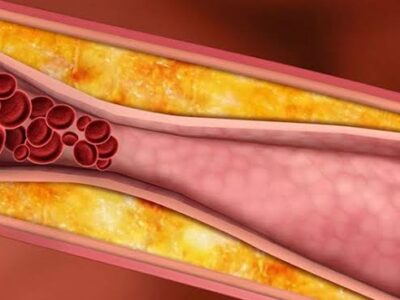
Health screening is about identifying diseases before symptoms occur. Many chronic illnesses begin with silent changes inside the body—like rising blood sugar levels or the gradual buildup of plaque in arteries. Left unchecked, these can lead to serious complications, including heart disease, kidney failure, and stroke.
Healthier SG Screening also supports early identification by encouraging residents to undergo regular screening based on age, gender, and individual risk factors. By doing so, it allows for timely intervention and helps prevent these chronic issues from escalating.
What Conditions Are Detected
Healthier SG screening targets some of the most common and manageable chronic conditions in Singapore. These include diabetes mellitus, hypertension (high blood pressure), and hyperlipidaemia (high cholesterol levels). Through simple tests like blood glucose analysis, blood pressure monitoring, and cholesterol panels, healthcare providers can flag potential issues early.
Additionally, it includes screening for certain cancers, such as colorectal and cervical cancer, depending on age and gender. These screenings increase the chances of detecting abnormalities before they become severe or life-threatening.
How the Screening Process Works
Eligible Singapore Citizens receive invitations to undergo subsidised screening at participating CHAS GP clinics. The process begins with a risk assessment questionnaire, where the doctor will ask about your lifestyle, family history, and medical background. This helps determine which tests are appropriate.
Following that, the nurse or doctor will perform simple diagnostic tests. For example, a blood sample may be taken to check glucose and cholesterol levels, while your blood pressure is measured with a cuff. If you’re due for cancer screening, such as a pap smear or FIT (faecal immunochemical test), these will also be included based on your profile.
After the screening, your clinic will arrange a follow-up to explain the results and recommend next steps if needed. If any abnormal findings are detected, further diagnostic tests or treatment will be discussed.
Affordability and Accessibility
One of the key advantages of the Healthier SG Screening programme is its affordability. Singapore Citizens pay as little as $5 or even less for eligible screenings at participating clinics, with Pioneer Generation and Merdeka Generation seniors enjoying even greater subsidies. This removes financial barriers that might otherwise deter people from regular screening.
Moreover, with numerous CHAS GP clinics islandwide, access to screening is convenient for most residents. The ease of booking and completing the screening process makes it simple to prioritise your health without significant disruption to your daily routine.
The Long-Term Benefits of Early Detection
Detecting chronic conditions early can significantly alter the course of a person’s health journey. Conditions like diabetes, if caught early, can often be managed through diet and exercise alone, reducing the need for medication or avoiding complications like nerve damage or vision loss. Similarly, early detection of high blood pressure can prevent future strokes or heart attacks.
By managing conditions early, individuals can avoid hospitalisation, reduce medical costs in the long run, and enjoy a more active, fulfilling life. It also empowers people to take control of their health while supporting the national goal of preventive care.
Encouraging a Culture of Prevention
Healthier SG Screening is more than a screening programme—it is part of a larger shift towards preventive healthcare in Singapore. Rather than reacting to illness after it happens, the initiative encourages individuals to take a proactive approach. This not only benefits personal well-being but also eases the overall burden on the healthcare system.
Families that adopt regular screening habits tend to be more health-conscious overall. When parents model the importance of prevention, children are more likely to grow up understanding and valuing health maintenance.
Conclusion
With chronic diseases on the rise, early detection is more important than ever. The programme offers an accessible, affordable way for Singaporeans to uncover hidden health risks and take action early. By participating in regular screenings, individuals empower themselves to stay ahead of disease and make informed choices that lead to better health outcomes.








Comments