
 By
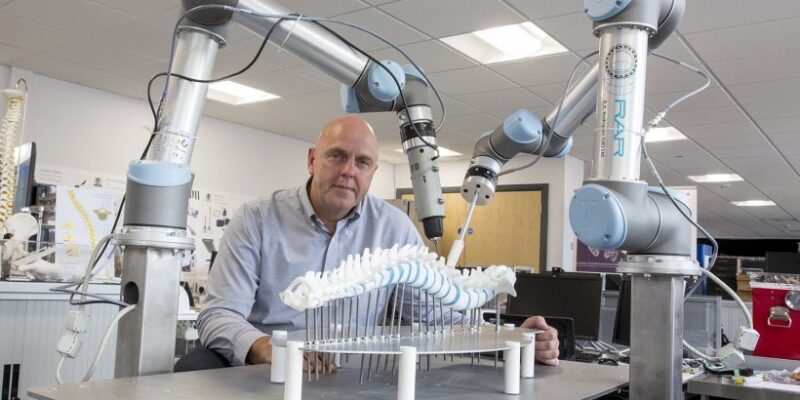
Robotic technology is reshaping the field of spinal surgery, offering surgeons greater precision, control and consistency. For patients with spinal conditions, robotic-assisted surgery may contribute to safer procedures, potentially shorter recovery times and improved outcomes. Dr. Larry Davidson, a pioneer in robotic spine surgery, explains that these advancements are making complex procedures more accessible and reliable, providing patients with options that may support relief from chronic pain and improved mobility.
Understanding Robotic-Assisted Spine Surgery
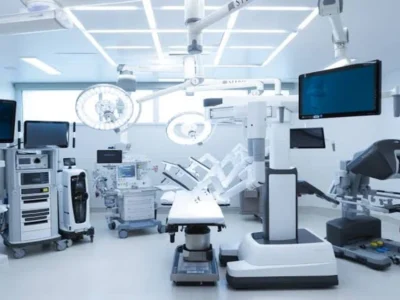
Robotic-assisted spine surgery combines the expertise of skilled surgeons with the precision of robotic technology. During these procedures, a robotic system works alongside the surgeon, providing detailed navigation, guiding instrument placement and enhancing stability. Robotics enables highly accurate movements, an important factor in spine surgery where small deviations could impact nerve function and spinal stability. Robotic technology is used in a range of spinal procedures, including:
Spinal Fusion: Used to stabilize vertebrae in cases of degenerative disc disease, spondylolisthesis or severe scoliosis.
Discectomy: Removal of part or all of a herniated disc pressing on spinal nerves.
Laminectomy: Removal of a portion of the vertebra to relieve pressure on the spinal cord, commonly used for spinal stenosis.
Spinal Decompression: Relieves nerve pressure in conditions like sciatica or spinal stenosis by creating more space around affected nerves.
Robotic systems can assist in these procedures, potentially making them safer, faster and more precise.
Key Benefits of Robotics in Spinal Surgery
Robotic technology offers several benefits that improve both the surgical experience and patient outcomes. Here are the primary advantages of using robotics in spinal surgery:
- Enhanced Precision and Accuracy
Robotic systems offer sub-millimeter precision, aiming to place each incision, screw or implant according to the surgical plan. This level of accuracy is especially important in spinal surgery, where even minor errors can lead to nerve damage, misalignment or instability.
- Minimally Invasive Approach
Robotic systems allow for more minimally invasive techniques by guiding instruments through smaller incisions. The steadiness and control provided by the robotic system help surgeons reach targeted areas with less disruption to surrounding tissues.
- Real-Time Imaging and Navigation
Robotic systems are equipped with real-time imaging capabilities, providing surgeons with continuous feedback and visualization throughout the procedure. This feature provides surgeons with precise instrument positioning, which may assist in navigating around critical structures such as nerves and blood vessels.
- Consistency and Reliability
One of the unique strengths of robotics is the ability to maintain consistent accuracy, even in complex or lengthy procedures. Robotic systems offer steady, consistent assistance, which can help mitigate issues such as hand tremors or fatigue during lengthy procedures.
- Shortened Recovery Times
Minimally invasive robotic-assisted procedures typically result in faster recovery times compared to traditional open surgery. Reduced tissue disruption and precise targeting may lead to less postoperative pain, swelling and muscle trauma, potentially supporting faster recovery.
How Robotic Systems Work in Spinal Surgery
Robotic systems in spinal surgery are designed to support surgeons through the entire process, from preoperative planning to real-time guidance during the procedure. Here’s a closer look at how robotic systems work:
- Preoperative Planning and Virtual Simulation
Before the surgery, robotic systems create a virtual model of the patient’s spine using detailed CT or MRI scans. The surgeon uses this model to plan the optimal approach, considering the patient’s unique anatomy and the specific condition being treated. The system allows the surgeon to simulate the surgery and map out exact incision points, screw placement and implant positions.
Benefit: Preoperative planning allows the surgeon to anticipate potential challenges, aiming to enhance safety and precision during the procedure.
- Real-Time Navigation During Surgery
During the procedure, the robotic system provides real-time guidance, ensuring that each movement aligns with the preoperative plan. The system continuously monitors the position of instruments relative to the patient’s anatomy, alerting the surgeon to any deviations and allowing for immediate adjustments.
Benefit: Real-time navigation may reduce the likelihood of errors and support accurate instrument placement, potentially enhancing patient safety.
- Robotic Arm Assistance for Precision
The robotic arm assists the surgeon by holding instruments steady and guiding them to exact locations based on the preoperative plan. This steadiness eliminates the potential for hand tremors or other minor movements that can impact precision, especially in delicate areas near the spinal cord.
Benefit: The robotic arm offers enhanced stability, allowing the surgeon to focus on critical aspects of the procedure with minimized risk of minor shifts or movements.
Conditions That Benefit from Robotic-Assisted Spinal Surgery
Robotic-assisted spinal surgery is beneficial for a range of spinal conditions, particularly those requiring high precision and stability. Here are some of the conditions most effectively treated with robotic assistance:
Scoliosis: For patients with scoliosis, Robotic systems assist in placing screws and rods to align the spine, aiming to correct curvature while minimizing additional instability.
Degenerative Disc Disease (DDD): In cases where spinal fusion is necessary, robotics can support accurate implant and screw placement, which may reduce the risk of future complications and pain.
Spinal Stenosis: Robotic-assisted decompression techniques aim to relieve nerve pressure from stenosis, targeting the affected area while minimizing impact on surrounding tissue.
Herniated Discs: When discectomy is required to remove or shrink a herniated disc, robotics support a minimally invasive approach, aiming to preserve healthy tissue and potentially speed recovery.
The Future of Robotics in Spinal Surgery
As robotic technology continues to advance, we can expect even greater improvements in spinal surgery outcomes. Future developments in artificial intelligence (AI) and machine learning could enhance robotic systems’ ability to customize surgical plans based on individual patient data, making procedures safer and more effective.
AI Integration for Predictive Planning: AI has the potential to enhance surgical planning by assessing risks, identifying optimal pathways and offering personalized recommendations based on data from similar cases.
Expanded Use of 3D Printing and Robotics: Combining 3D printing with robotic systems could enable the creation of patient-specific implants and tools, potentially improving the fit and functionality of spinal devices.
A New Era of Precision in Spinal Surgery
Robotic-assisted spinal surgery is expanding possibilities in spine care, aiming to provide patients with safer procedures, potentially faster recoveries and improved long-term outcomes. Dr. Larry Davidson points out, “Spinal fusion often involves implants, and the combination of AI and 3D printing could produce implants tailored to a specific patient’s needs.” Integrating this technology can provide transformative results for patients with spinal conditions. For those considering spinal surgery, robotic assistance provides an innovative option that may contribute to relief, stability and a return to an active lifestyle.
By choosing a spine specialist experienced in robotic-assisted surgery, patients can access the latest advancements in precision, safety and recovery, making robotic spine surgery a promising option for the future of spinal care.








Comments