
 By
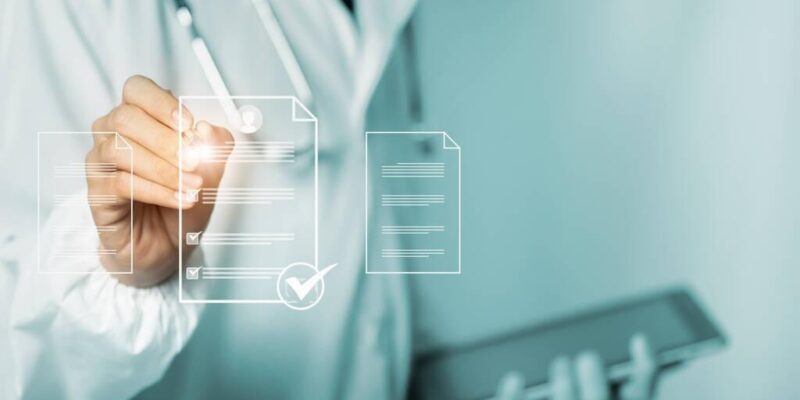
Electronic Medical Records (EMRs) have become an essential component of modern mental health care. As mental health services continue to expand and integrate with broader healthcare systems, EMRs provide a structured, secure, and efficient way to manage patient information. From improving care coordination to supporting compliance and enhancing treatment outcomes, EMRs play a vital role in delivering high-quality health services.
Understanding EMRs in Mental Health
EMRs are electronic records that are utilized to record, keep and manipulate patient health data in a health organization. EMRs are used in mental health environments that offer diverse records of data in the form of clinical records, diagnoses, treatment plans, medication histories, therapy progress, assessments and appointment documentation. In comparison to general medical care, mental-health documentation tends to contain rich narrative accounts thus making EMRs particularly useful in stacking and retrieving data effectively.
EMRs are system-developed to assist psychiatrists, psychologists, counselors, therapists, and social workers with the tools that fit their clinical practice. These systems will enable the practitioners to pay more attention to patient care and less to administration. Visit https://pmc.ncbi.nlm.nih.gov/articles/PMC8456340/ to learn more.
Improving Care Coordination
Improved care coordination is one of the advantages of EMRs in mental health care. Most mental patients undergoing health services need services of primary physicians, specialists, or social service providers. EMRs enable relevant patient information to be shared among disciplines as the relevant providers are able to access the information they require.
By having the right and current records, health professionals will be able to work in unison to minimize the chances of conflicting treatments and drugs. EMRs are also conducive to coordinated models of mental care involving the incorporation of health services into primary care environments.
Enhancing Treatment Quality and Outcomes
EMRs also help in the provision of better quality treatment as they offer clinicians with a history of patient. Past diagnoses, therapy notes, medication changes and response patterns provide the provider with access to information to make informed decisions and modify the treatment plans accordingly.
A range of EMR systems are equipped with clinical decision support solutions that assist the providers to detect possible risks, monitor the progress of the symptoms, and to guarantee that the evidence-based practices are followed. All these characteristics contribute to improved results since they allow the provision of individualized and data-driven care.
Supporting Privacy and Compliance
In mental health care, especially, privacy and confidentiality are of great concern. EMRs are developed to withstand the security requirements on sensitive patient data. Access controls, encryption, and audit trails assist in maintaining the records so that authorized persons have access to them.
EMRs also help mental-health organization to comply with and meet regulatory standards. Electronic records allow complying with privacy policies more easily, provide proper records, and react to audit or legal requirements. The standardization of work procedures minimizes the number of errors and facilitates consistency in the records.
Streamlining Administrative Tasks
There is also the benefit of administrative efficiency of EMRs in mental health settings. The entire process of scheduling, billing, insurance verification and documentation can be carried out under one system. This integration saves time and also minimizes errors and paperwork among the clinicians and the administrative staff.
ERMs can enable mental health professionals to spend more time on therapeutic interactions and engaging with patients by automating the routine tasks. This efficiency is especially useful in those practices that have high demand and little resources. Read this for more information.
Improving Patient Engagement
EMRs enhance more patient interactions through accessible health information using secure portals. Patients will be able to read about treatment plans, make appointments, interact with their providers and complete assessments online.
Engagement is a major issue in the success of treatment in mental health care. EMRs contribute to building openness and cooperation between patients and providers and promoting involvement in the therapeutic process.
Challenges of EMR Adoption in Mental Health
In spite of their advantages, EMRs implementation in mental care can be rather problematic. Clinicians will require education to adjust to digital records and systems should be constructed to accommodate narrative notes and complicated processes. There can also be concerns with regards to data entry time and usability which can influence adoption.
These challenges can be counteracted by carefully choosing the system, continuing training and customization to address the particular needs of mental-health professionals.

The Future of EMRs in Mental Health
EMRs will become even more significant as the mental health care continues to develop. The EMR systems are increasing with the advances in interoperability, telehealth integration, and analytics. These technologies facilitate more accessible, coordinated and data-driven EMR mental health care.
Conclusion
EMRs are transforming mental health care by improving coordination, enhancing treatment quality, and increasing efficiency. By supporting privacy, compliance, and patient engagement, EMRs enable mental-health professionals to deliver more effective and compassionate care. As technology advances, EMRs will remain a cornerstone of modern mental health services, helping providers meet growing demand while improving outcomes for patients.








Comments