
 By

Testosterone, a vital hormone predominantly found in males, plays a crucial role in various biological functions. This section delves into the essence of testosterone, exploring its role, synthesis, and regulation within the body.
Role of Testosterone in the Body
Testosterone is instrumental in the development of male sexual characteristics, influencing muscle mass, bone density, and libido. It also has significant implications for behavior, such as aggression and competitiveness.
Chemical Structure and Synthesis of Testosterone
The chemical journey of testosterone begins in the Leydig cells, where it is synthesized from cholesterol. This process is tightly regulated by luteinizing hormone (LH), which is secreted by the pituitary gland.
Regulation of Testosterone Levels
The regulation of testosterone involves a delicate balance controlled by the hypothalamic-pituitary-gonadal axis. Feedback mechanisms in this system ensure that testosterone levels remain within healthy limits, preventing both deficiency and excess. The MensTclinic and other medical institutions often emphasize the importance of monitoring these levels to maintain overall health and well-being.
Mechanisms of Testosterone in Stimulating Red Blood Cell Production
Interaction with Bone Marrow
Testosterone directly influences the bone marrow, the primary site of red blood cell production. It stimulates the marrow to increase the production of red blood cells, enhancing the body’s ability to transport oxygen effectively.
Influence on Erythropoietin
Testosterone modulates the secretion of erythropoietin, a hormone produced by the kidneys that plays a critical role in the regulation of red blood cell production. Increased levels of testosterone are associated with elevated erythropoietin levels, which in turn boost red blood cell production.
Impact on Iron Metabolism
Testosterone also affects iron metabolism, which is crucial for red blood cell production. It enhances the absorption of iron from the diet and improves its utilization in the production of hemoglobin, the oxygen-carrying component of red blood cells.
Clinical Evidence Linking Testosterone and Red Blood Cell Counts
Observational Studies
Observational studies have consistently shown a correlation between elevated testosterone levels and increased red blood cell counts. Data from various population studies, as referenced on sources like Wikipedia, indicate that individuals with higher natural or supplemented testosterone levels tend to exhibit higher hemoglobin and hematocrit levels, suggesting an enhanced erythropoiesis.
Controlled Clinical Trials
Controlled clinical trials provide more concrete evidence of testosterone’s role in red blood cell production. Trials conducted across diverse demographics have demonstrated that testosterone supplementation can significantly increase red blood cell counts in participants, particularly in those with baseline deficiencies.
Long-term Effects and Observations
Long-term studies and follow-ups have been crucial in understanding the sustained effects of testosterone on red blood cell production. Websites like PeakTRT.com discuss how prolonged testosterone therapy not only maintains elevated red blood cell levels but also helps in assessing the potential risks such as polycythemia, thus guiding therapy adjustments.
Benefits of Enhanced Red Blood Cell Production
Improved Oxygen Transport
Enhanced red blood cell production, stimulated by testosterone, significantly improves oxygen transport throughout the body. This is crucial for maintaining high energy levels and efficient organ function. Increased oxygen availability supports aerobic respiration, which is vital for muscle endurance and overall vitality.
Enhanced Physical Performance
Athletes and individuals engaged in regular physical activity greatly benefit from increased red blood cell counts. Enhanced oxygen delivery to muscles boosts stamina and reduces fatigue, allowing for longer and more intense training sessions. This is particularly beneficial in endurance sports where oxygen utilization is critical.
Effects on Overall Health
The overall health benefits of improved red blood cell production are profound. Enhanced oxygen transport and utilization not only improve physical performance but also contribute to better brain function and cognitive performance. Moreover, adequate red blood cell levels help in maintaining the health of various organ systems, reducing the risk of complications related to oxygen deprivation. According to MensHealth.Com, maintaining optimal red blood cell production can lead to significant improvements in energy, performance, and general well-being.
Risks and Side Effects of High Testosterone Levels
While testosterone therapy, such as that provided by TRT Nation, can offer significant benefits, it is not without risks. Understanding these risks is crucial for anyone considering or currently undergoing testosterone therapy.
Potential for Polycythemia
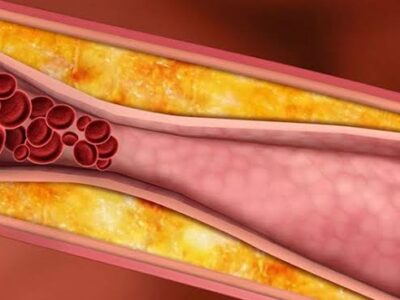
Polycythemia, an increase in the number of red blood cells, is a common side effect of high testosterone levels. This condition can lead to increased blood viscosity, which may raise the risk of thrombosis (blood clots) and related complications such as stroke or heart attack.
Other Hormonal Imbalances
Elevated testosterone levels can disrupt the balance of other hormones in the body. This disruption can lead to a variety of symptoms and conditions, including acne, aggressive behavior, and even changes in sexual function.
Long-term Health Risks
Long-term use of high-dose testosterone may pose several health risks. These include liver damage, heart disease, and worsening of sleep apnea. It is important for patients and healthcare providers to monitor these risks closely and adjust treatment as necessary.
Therapeutic Use of Testosterone in Anemia Treatment
Criteria for Therapy
Testosterone therapy is considered for anemia treatment when patients exhibit low testosterone levels alongside symptoms of anemia that do not respond to conventional treatments. The criteria for initiating therapy include a thorough evaluation of hormone levels, assessment of red blood cell count, and a comprehensive review of the patient’s medical history.
Monitoring and Adjusting Treatment
Once testosterone therapy is initiated, continuous monitoring is crucial to ensure efficacy and safety. Adjustments in dosage may be necessary based on:
- Patient response to treatment
- Blood testosterone levels
- Hemoglobin and hematocrit levels
Case Studies and Outcomes
Several case studies have demonstrated the potential benefits of testosterone therapy in treating anemia. These studies highlight significant improvements in red blood cell counts and patient quality of life, underscoring the importance of personalized treatment plans.
Future Directions in Research and Treatment
Emerging Therapies
The landscape of testosterone therapy is rapidly evolving with the introduction of new and innovative treatments. Researchers are focusing on developing more targeted therapies that minimize side effects while maximizing benefits. These include novel delivery systems and formulations that improve the bioavailability and efficacy of testosterone.
Genetic Studies
Advancements in genetic research are paving the way for personalized medicine in the treatment of testosterone-related conditions. Studies are increasingly focusing on identifying genetic markers that predict responses to testosterone therapy, which could lead to more customized and effective treatment plans.
Innovative Diagnostic Techniques
The development of more sophisticated diagnostic tools is crucial for the early detection and treatment of testosterone imbalances. Huddle Men’s Health and other institutions are at the forefront of developing technologies that can provide more accurate and timely assessments of hormone levels, potentially revolutionizing the approach to hormone therapy.











Comments