
 By
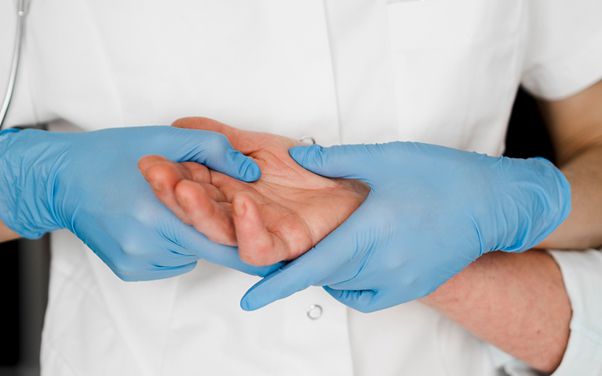
Wide-Awake Local Anaesthesia No Tourniquet (WALANT) is a method for selected hand operations that uses tumescent local anaesthetic with epinephrine, avoids a tourniquet, and keeps the patient awake. In a hospital in Singapore, this protocol allows the team to test tendon glide, joint stability, and repair integrity during surgery, and to simplify perioperative logistics for cases that do not require sedation or general anaesthesia. An orthopaedic hand surgeon adopts WALANT when intraoperative active motion feedback will change decisions about suture technique, pulley venting, or the need for ancillary procedures.
Patient Selection and Preoperative Assessment
Appropriate cases include trigger finger release, De Quervain’s release, fasciectomy for localised Dupuytren’s, tendon repair (selected zones), tendon transfer checks, minor nerve decompressions, soft-tissue mass excision, and limited fracture fixation where motion testing is useful. Selection excludes patients with contraindications to epinephrine in the planned field (e.g., compromised digital vascularity), local infection at injection sites, or those requiring lengthy multi-structure reconstruction. Preoperative review documents vascular status, coagulopathy, anticoagulant use, analgesic plan, and anxiety tolerance. In a hospital in Singapore, consent materials specify the awake experience, the low but real risk of vasoconstriction-related ischaemia, and the availability of phentolamine rescue.
Anaesthetic Composition, Buffering, and Dosing
Standard WALANT solutions are lignocaine with epinephrine diluted in normal saline, often buffered with sodium bicarbonate to reduce injection sting and speed onset. Typical maximum dosing follows local anaesthetic safety limits adjusted for patient mass and vascularity of the field. The orthopaedic hand surgeon infiltrates subdermal and peritendinous planes in a tumescent fashion, with time allowed (usually 20–30 minutes) for optimal vasoconstriction and anaesthesia before incision. Where broader field anaesthesia is needed, incremental injections are mapped to avoid intraneural placement, using aspiration before each bolus.
Field Preparation and Haemostasis Without a Tourniquet
Without a tourniquet, haemostasis relies on epinephrine-induced vasoconstriction, meticulous elevation, and controlled dissection. The setup includes atraumatic instruments, small bipolar cautery for point bleeders, and clear suction. Draping maintains access for intraoperative active motion testing. Imaging (fluoroscopy) is available if hardware placement is planned. A hospital in Singapore will standardise sterile packs specific to WALANT to streamline turnover and minimise delays between injection and incision.
Intraoperative Active Motion Testing
The core advantage of WALANT is dynamic testing. During flexor tendon repair, the patient actively flexes and extends under supervision, allowing the surgeon to detect gapping, snagging beneath pulleys, or inappropriate tensioning. The surgeon can make necessary adjustments immediately before closing the site. These may include additional epitendinous passes, limited pulley venting, or suture tensioning. For tendon transfers, the line of pull and excursion are assessed live, confirming that the transfer reproduces the intended biomechanical action. In ligamentous repairs or small joint procedures, stability can be stressed actively to validate fixation and guide postoperative splint parameters.
Indications, Grey Zones, and When Not to Use WALANT
Indications: trigger finger, first dorsal compartment release, carpal tunnel release (selected), limited tenolysis, small benign mass excision, nail bed work, selected fractures amenable to percutaneous fixation, and tendon repairs where early active protocols are planned.
Grey zones: extensive replantation, multi-digit trauma, complex intra-articular fractures, and long combined procedures where patient comfort and immobility are essential.
Not indicated: severely anxious patients, those unable to cooperate, active digital ischaemia, or where vascular compromise is suspected and epinephrine use is inappropriate.
Postoperative Protocols and Early Motion
Because there is no residual sedation, patients can commence education and protected mobilisation soon after surgery. Early-active protocols are matched to repair strength: for flexor tendons, place-and-hold or early-active flexion within protected ranges using a dorsal blocking splint; for extensor repairs, controlled active motion with relative motion splints when indicated. Occupational therapists in a hospital in Singapore fabricate custom splints, instruct on oedema control and scar glide, and set objective range-of-motion targets for each week. The orthopaedic hand surgeon and therapist agree on escalation or restraint points to protect repairs while avoiding adhesions.
Safety Measures: Digital Perfusion and Phentolamine Rescue
Monitoring of perfusion (colour, capillary refill, temperature) is continuous intraoperatively and in recovery. If a digit shows prolonged blanching or severe pain suggesting vasospasm, phentolamine (alpha-adrenergic antagonist) is infiltrated around the injection zone to reverse the epinephrine effect. Protocols also cover management of local anaesthetic systemic toxicity (LAST): intralipid availability, airway support, and escalation pathways. Documented checklists ensure the WALANT tray always includes phentolamine, bicarbonate, and Intralipid.
Infection Control, Anticoagulation, and Special Populations
Aseptic technique mirrors standard theatre practice. For patients on antiplatelets or anticoagulants, decisions are individualised based on procedure bleeding risk and thrombotic risk; many minor WALANT procedures proceed without cessation, with meticulous haemostasis and postoperative compression. In diabetes, strict glucose control reduces infection and adhesion risk. In older adults, shorter procedure times and avoidance of general anaesthesia can reduce perioperative complications while enabling early therapy participation.
Outcomes, Audit, and Documentation
Outcome tracking includes pain scores, intraoperative need for conversion, complication rates (infection, haematoma, ischaemia), and functional metrics (range of motion, grip, QuickDASH/PRWHE where applicable). Reoperation for adhesion or rupture is recorded with root-cause analysis (e.g., suture technique, therapy adherence). A hospital in Singapore may audit turnaround time, same-day discharge rates, and patient-reported experience measures to refine case selection and scheduling.
Operational Logistics and Theatre Utilisation
WALANT can be performed in a minor-procedure theatre with full resuscitation capability, reserving main theatres for complex cases. Staggered lists allow injection to occur in a preparation bay while another case concludes, aligning the vasoconstriction window with the start time. Standardised instrument sets and templated notes reduce variability. The orthopaedic hand surgeon coordinates with nursing and therapy teams so postoperative splinting and education occur before discharge, shortening total hospital stay.
Limitations and Contingency Planning
WALANT is not a universal solution. If intraoperative pain, anxiety, or bleeding obscures the field, conversion to regional or general anaesthesia may be necessary. Contingency plans include availability of anaesthesia support, tourniquet backup, and criteria for case deferral if safety thresholds are crossed. Clear patient counselling pre-emptively addresses the possibility of conversion.
For case selection, perioperative planning, and rehabilitation using WALANT protocols with an orthopaedic hand surgeon in a hospital in Singapore, contact the National University Hospital (NUH).







Comments