
 By
Key Takeaways
Dental crowns aren’t a universal solution and come with certain limitations, especially for severely damaged teeth or roots. They won’t fix pulp damage, severe decay, or compromised roots.
There’s a common misconception that dental crowns last a lifetime, but they’re not invincible. They can chip, wear down, or even become loose as time passes. Typically, getting them involves multiple visits and carries risks linked with tooth preparation.
There are alternatives to crowns, like dental fillings and veneers, which can help maintain more of your original tooth structure while often being less invasive. Fillings work well for minor repairs, while veneers focus on aesthetics without needing extensive alterations to the tooth.
Onlays and inlays can address damaged areas more conservatively compared to crowns, shielding healthy tooth structure. They’re particularly suitable when the decay is too extensive for a filling but not quite enough to necessitate a crown.
The cost of dental crowns tends to range between $1,000 to $3,500, but you might face extra charges, such as consultations and X-rays, that can drive the total up. Patients also need to be conscious of insurance limitations, which may complicate the coverage for crowns.
Real experiences from patients show that crowns can sometimes lead to additional issues, emphasizing the need to grasp their limitations and look into all potential options. An informed patient is in a better position to make savvy dental choices.
It’s essential for patients to have open discussions with their dentists regarding alternatives to crowns, steering toward more personalized care focused on preservation. Knowing all your options can lead to improved long-term dental health outcomes.
When Dental Crowns Fall Short: The Hidden Truth
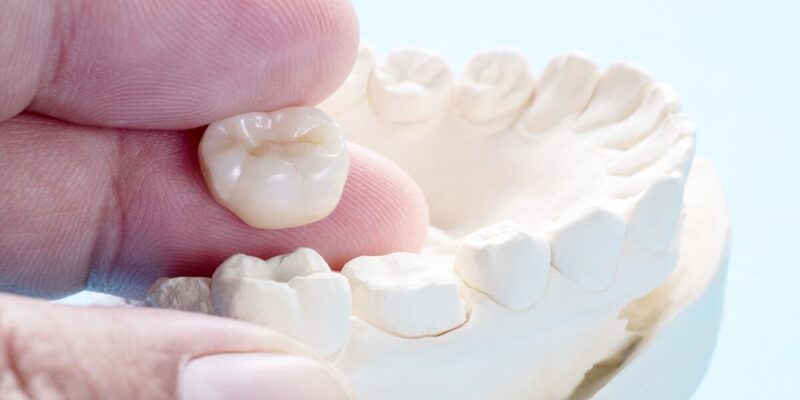
Many people think dental crowns are the answer to every tooth problem. Well, here’s the truth: while dental crowns are helpful, they’re not a universal fix. They do provide robust support for damaged teeth, but there are instances when they just don’t cut it. You may be surprised to realize that crowns have limitations, and the-associated risks often remain unnoticed.
What Crowns Really Can’t Fix
First off, crowns aren’t a cure-all. They can’t bring a tooth back from the brink or salvage one that’s practically a stub. If the root’s compromised, a crown won’t save it. You see, in cases where crowns were rushed in as a quick fix, patients often found themselves facing more complex procedures later on. This could mean more discomfort and a heftier bill.
Consider these scenarios:
- Pulp damage: A crown isn’t going to heal those internal issues.
- Severe decay: Too much decay not only risks the crown installation but also overall tooth health.
- Root problems: Crowns simply can’t rectify compromised roots.
The takeaway here? Leaning solely on only crowns might give you a false sense of security.
Common Misconceptions About Dental Crowns
Let’s debunk a few myths. A widely held belief is that crowns last a lifetime. Surprise, surprise! That’s not always the case. Crowns can chip, wear, or loosen over time, especially if you go for those tough foods or grind your teeth frequently.
And here’s another misconception: that the installation process is straightforward. It’s not as simple as waltzing into the office and leaving with a gleaming crown. Most will require several visits and quite a bit of dental work. Preparing the tooth often involves some drilling and reshaping, which carries its own set of risks. Shouldn’t we talk about these risks a bit more?
“Patients often don’t realize that dental crowns might create more problems than they solve if they aren’t the right choice.”
Alternatives to Crowns That Might Surprise You
So what are your options besides crowns? There are alternatives that could allow you to sidestep a crown entirely. If you’re paying attention, you might discover these options are more suitable in certain situations. And just to clarify – this isn’t another sales pitch for crowns.
Exploring Fillings and Veneers: Better Options?
For minor repairs, dental fillings might be a smarter option. Why? Because they preserve more of your original tooth. Fillings are typically less invasive and often cost less, plus many can be done in just one appointment. Think of it like getting a dent pulled out on your car rather than a full paint job.
Veneers are another choice. They cover the front of your teeth, improving aesthetics without having to alter the whole tooth structure. This could be huge for those who want to enhance their smile without going for crowns.
- Fillings: Perfect for small cavities, quick and straightforward.
- Veneers: Fantastic for cosmetic upgrades that avoid major alterations.
- Teeth whitening: Sometimes all you need is a good dose of brightness for your natural smile.
You have to weigh the pros and cons, though. Fillings might not last forever, and while veneers don’t restore function, they can certainly boost your confidence.
The Case for Onlays and Inlays Over Crowns
Ever heard of onlays and inlays? Often, they don’t get enough credit in the dental field. An onlay can cover more of your tooth than a filling yet still sidestep the full commitment of a crown installation, making them a much more appealing choice in some situations.
Meanwhile, inlays are just right when decay isn’t severe enough to need a crown but is too much for a standard filling. They can be crafted from porcelain, composite resin, or metal, blending seamlessly with your existing teeth. Talk about a clever solution!
“Onlays and inlays allow for a preservation-first approach, keeping your healthy tooth structure intact.”
Isn’t it great to know? You don’t have to jump straight to crowns. Smart dentistry focuses on strategy.
Cost Considerations: Are Crowns Worth It?
Now let’s address the elephant in the room: the cost. Crowns can get pricey. How pricey? Well, a single crown could set you back anywhere from $1,000 to $3,500, depending on what materials are used and your location. But here’s the twist: sometimes that’s just the beginning.
Breaking Down the Expenses Involved
First, remember that there are costs beyond just the crown itself. Here’s a quick overview of some common expenses:
- X-rays: Necessary for checkup imaging first.
- Consultation fees: Don’t forget about the time spent with the dentist.
- Post and core build-up: Sometimes you need this before attaching a crown.
So what’s the actual cost of those “only crowns”? Without careful planning, you could end up staring at a hefty bill. This isn’t merely a cosmetic fix; it can turn into a recurring expense. Feels a bit like getting caught on a dental merry-go-round, doesn’t it?
Insurance and Crowns: What You Need to Know
Let’s be honest, insurance adds a layer of complexity. Most dental plans will contribute some costs toward crowns – but expect a few caveats. Frequently, they’ll only reimburse a portion and may limit the type of crown you can receive. Surprised? You shouldn’t be.
Here’s what you really need to keep in mind:
- Coverage caps: Verify how much your plan will cover.
- Waiting periods: Some plans impose clauses that slow down your claim.
- Preferred providers: You may snag a discount by sticking with your plan’s network.
Understanding how insurance plays a role in your crown plans could save you from some serious financial headaches later.
Real Stories: When Crowns Didn’t Cut It
Let’s change gears for a second and delve into the real world. There are stories out there – instances where patients thought they found their solution only to face an “uh-oh” moment. Want to know more?
Patient Experiences: Disappointments and Solutions
For example, one patient thought a crown was the answer after battling a nasty cavity. They assumed the crown would be a game-changer. But it wasn’t. The tooth had underlying issues which the crown couldn’t rectify. They ultimately required a root canal. Raises the question, why didn’t anyone mention that in advance?
Then there’s the tale of a young professional who received a crown but soon realized it made her bite feel off. Long story short, she ended up redoing it multiple times. Talk about a ride!
“What patients often don’t realize is that crowns might create more problems than they solve if they aren’t the right choice.”
These accounts should make anyone think twice. Every dental choice matters, and grasping the consequences could save you from unnecessary pain – and expenses.
What Your Dentist Might Not Tell You
Now, I’m not here to criticize dentists-they do vital work. But there’s a truth that often lurks in the background. Not every dentist will be transparent about the downsides of crowns. Some may advocate for crowns based on their own preferences or experiences.
Shouldn’t we be talking about alternatives more often? Dental health shouldn’t only be about fixes; it’s also about preservation. Having open dialogues can truly enhance the relationship between a patient and a provider.
Don’t forget, everyone’s dental situation is distinct. It’s about time we embrace a tailored approach rather than defaulting to “only crowns.”
Ultimately, knowing what alternatives exist turns you into an empowered patient. And that’s the takeaway, right?
FAQ
How do I know if I need a crown or another treatment?
Deciding whether a crown is the right choice can be tricky. Consider getting several opinions. You might discover that fillings or onlays are actually a better fit for your situation, especially if your tooth isn’t too damaged yet.
What are the long-term effects of getting a crown?
Let’s be honest: crowns can lead to complications later on. You could face stress on surrounding teeth and changes in bite alignment. Some folks even end up needing root canals later because they got a crown too soon.
Are all crowns made the same, and does the material matter?
Not all crowns are created equal-the material definitely makes a difference. You’ve got options like porcelain, metal, or even a combination. Your choice impacts durability, aesthetics, and how well it blends with your natural teeth.
What should I expect during the crown installation process?
Brace yourself for a few appointments and some drilling. Initially, they’ll prep your tooth and create impressions. You’ll then get a temporary crown while the permanent one is crafted – so be prepared for some discomfort during the fitting.
How do crowns affect my oral hygiene routine?
It’s easy to think crowns require no maintenance, but that’s far from the truth. You still need to brush and floss like always-sometimes even more cautiously-because food can get stuck around the crown, increasing the risk of decay in nearby teeth.
Can crowns make me more prone to cavities?
They can, especially if they’re not fitted properly. Poor sealing can lead to decay lurking beneath the crown. I’ve seen multiple patients face worse situations because their crown was hiding hidden trouble.
How often should I have my crowns checked by a dentist?
Make sure to get those crowns checked at least once a year. Regular dental exams help catch any issues early, like wear or loosening. This proactive approach can save you from future headaches.
Are there alternatives if I’m afraid of getting a crown?
If crowns aren’t your thing, don’t worry-there are many alternatives. Fillings, veneers, onlays, and inlays are all worth discussing. Each has its own implications, but they could help preserve more of your tooth and yield better long-term results.









Comments