
 By
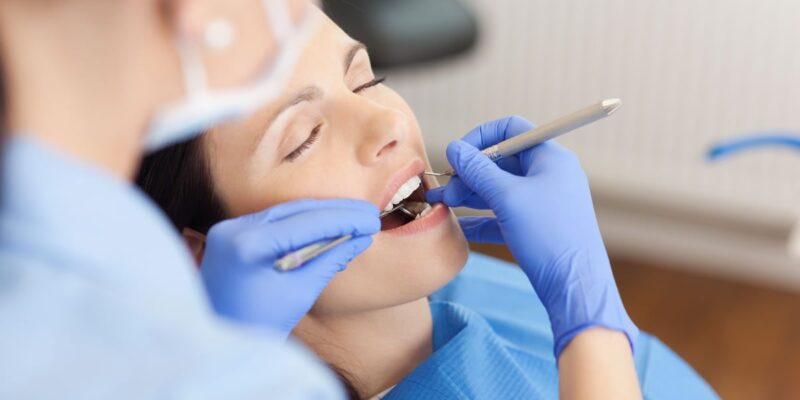
Taking your child to the dentist should feel like a step towards maintaining their health, not a source of stress for you or them. But for some kids, dental visits can provoke anxiety, discomfort, or behavioral challenges that make routine care feel like an uphill battle. If you’ve been in this situation, children’s sedation dentistry in Laurel, MD, might be the solution you’ve been looking for.
Sedation dentistry uses medication to help children relax during dental procedures. While the idea may sound intimidating at first, it’s a safe and effective option for many families.
Here are six reasons why choosing sedation dentistry could make all the difference for your child’s oral health.
1. Reduces Fear and Anxiety
Fear of the dentist is one of the most common reasons families consider sedation dentistry. Many children feel nervous around unfamiliar tools, sounds, or the idea of someone working in their mouth. For kids with dental phobias, even the thought of a routine cleaning can lead to tears or refusal to go.
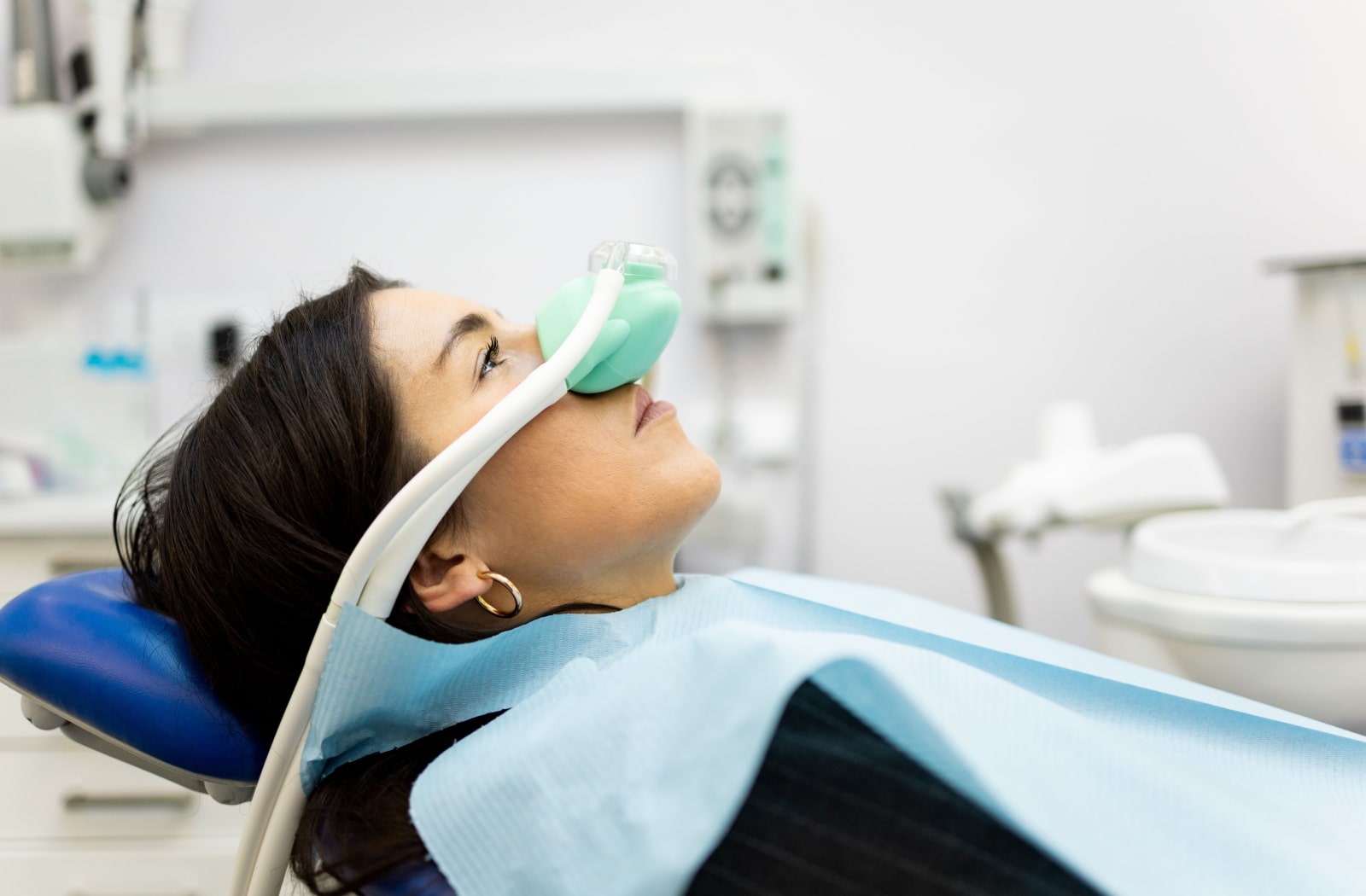
Sedation dentistry takes the edge off by helping your child feel calm and at ease throughout their appointment. Depending on the level of anxiety, your dentist might recommend mild sedation, like nitrous oxide (laughing gas), which wears off quickly and leaves the child feeling relaxed.
2. Eases Dental Care for Kids with Special Needs
For children with special needs, a visit to the dentist can be especially overwhelming. Sensory sensitivities, behavioral differences, or physical conditions may make it hard for them to remain still or comfortable during treatment.
Sedation dentistry ensures that your child can receive the dental care they need without the stress or risk of an incomplete procedure. Gentle sedation allows the dentist to work efficiently while your child remains calm and comfortable, reducing the chances of needing multiple visits.
3. Makes Complex Procedures Manageable
Certain dental treatments, like extractions, fillings, or root canals, can require long periods in the chair. For a young child, staying still and cooperating for extended periods can be a challenge, not to mention the discomfort involved in some procedures.
Sedation dentistry helps eliminate this struggle. By calming your child or inducing light sleep, your dentist can complete the procedure more quickly and efficiently. This also minimizes interruptions and reduces the overall treatment time, so your child can get back to their day with less fuss.
4. Prevents Pain and Discomfort
While dentists use local anesthesia to numb a specific area during treatment, sedation complements this by relaxing the child and reducing their awareness of what’s happening. For children who are particularly sensitive to dental work or who find the sensation of numbing uncomfortable, sedation adds an extra layer of reassurance.
In addition, kids who naturally squirm or react to sensations in their mouth can benefit from sedation to ensure they don’t move suddenly during procedures, keeping them safe and ensuring the work is done correctly.
5. Builds Positive Dental Experiences
One of the long-term benefits of sedation dentistry is that it can turn potentially negative experiences into positive ones. A child who has a calm, pain-free appointment is more likely to feel comfortable visiting the dentist again.
This is especially important for young children who are just starting to develop their oral hygiene habits. A good experience early on can set the tone for a lifetime of fearless dental care.
6. Safe & Customizable Options for Every Child
Sedation dentistry isn’t one-size-fits-all. Dentists offer different types of sedation tailored to your child’s needs and the procedure being performed. Some common types include:
- Nitrous Oxide: A mild sedative inhaled through a mask; it induces relaxation and wears off quickly.
- Oral Sedation: A small dose of medication taken by mouth, which promotes calmness and drowsiness.
- IV Sedation: Administered directly into the bloodstream, offering deeper sedation for more complex or lengthy procedures.
- General Anesthesia: Used for extensive work or children with extreme fear or conditions, allowing them to sleep completely through the procedure.
These options are carefully monitored by trained professionals, ensuring they are safe for your child. Before recommending sedation, your dentist will review your child’s medical history and discuss the best approach for their situation.
Conclusion
Kids deserve a stress-free path to healthy smiles, and sedation dentistry makes that possible for children who hesitate about dental care. Whether it’s about overcoming fear, managing special needs, or making treatments more efficient, sedation opens the door to positive dental experiences for your child.
You can discuss sedation options with your pediatric dentist to ensure your child receives the best possible care while feeling safe and supported. With sedation dentistry, maintaining your child’s oral health can be smoother, for both them and you!








Comments