
 By
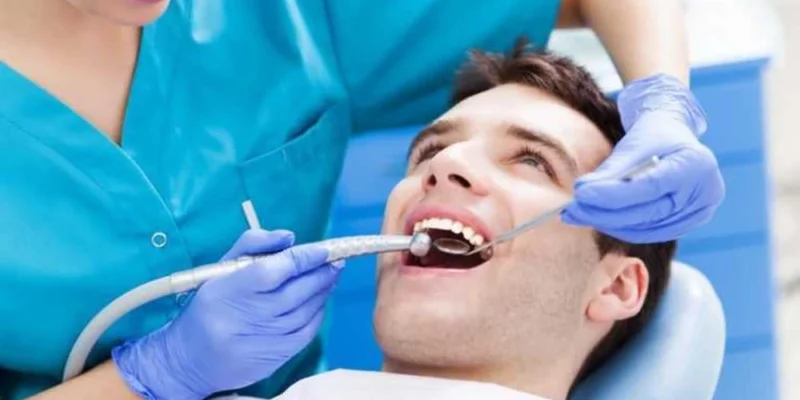
Losing a tooth may impact more than a smile’s look. The location of the gap may impact eating, speech, and the function of the teeth next to the gap. Such alterations may become more pronounced if many teeth are missing. Today there are several options in implant dentistry to replace a single lost tooth, multiple teeth or a complete arch.
Dental implants are intended to provide a secure basis for replacement teeth. An implant put in the jawbone may support a crown, bridge or bigger dental treatment without depending on surrounding natural teeth for support. Knowing what alternatives are available may assist patients to have better-informed conversations with their dental provider.
Replacing A Single Missing Tooth
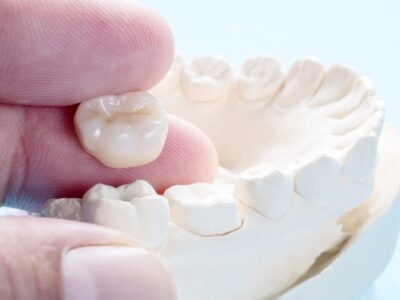
Usually, if you are missing one tooth and the other teeth are healthy, one dental implant is advised. The implant is surgically implanted into the jawbone where the tooth was lost. After the wound has healed enough, a custom dental crown may be fitted.
Another advantage of this technique is that the health of the adjacent teeth usually does not need to be compromised to support the replacement tooth. The restoration is meant to run independently so as to cover the one gap.
The duration of the therapy depends on the patient. Factors such as the condition of the bone and gums, the position of the missing tooth and the general oral health might influence the process. Some individuals may benefit from further therapy prior to implant placement.
Options For Multiple Missing Teeth
In case of the loss of two or more neighbouring teeth, not all the implants need to be made individually for each tooth. A bridge supported by an implant might be a possibility in appropriate instances.
Strategically positioned, implants placed in this manner may support many replacement teeth. The number of implants needed depends on the size and location of the gap, the amount of available bone, the biting forces and the design of the final reconstruction.
Patients contemplating this kind of treatment should consider talking to an experienced dentist in Kallangur for implants to find out whether individual implants or an implant-supported bridge could be suitable for their unique circumstances.
Full Arch Reconstruction
People who have lost most or all their teeth have different demands than someone replacing a single tooth. Full arch Implant treatments use many implants to provide a bigger restoration that replaces a full row of teeth.
The quantity and location of the implants are carefully selected for each patient. Dentists may look at jawbone density, facial anatomy, biting habits, current problems in the mouth and available space before prescribing a treatment plan.
Full arch treatment is sometimes more complicated than replacing just one tooth; therefore, thorough inspection and planning are vital.
Bone & Gum Health Matters
Dental implants are supported by the tissues around them. Adequate jawbone is vital since the implant requires a good base. Sometimes, when the amount of bone has diminished due to tooth loss, further therapy such as bone grafting may be recommended.
Healthy gums are just as vital. You may have to address active gum disease or other oral health problems before you may have implant therapy.
This is one of the reasons why an implant consultation usually requires more than a look at the gap that you can see. The status of the bone and adjacent structures may be evaluated using an X-ray and wider examination.
Selecting Implant Choices
One size does not fit all implant solutions. Someone losing one front tooth has different restorative needs than someone missing many molars or a complete arch.
This choice may be based on cost, length of treatment, dental health, bone health, maintenance needs, and personal expectations. Patients also should be told what to expect following therapy. While implants cannot get cavities, the gums and tissues around them still need regular care.
Regular brushing, suitable cleaning between the teeth, regular visits to a dentist, and attention to changes surrounding the implant are all crucial to maintain good oral health.
Planning A Functional Smile
Dental implant therapy has made it feasible to solve the diverse patterns of tooth loss with personalised solutions. A single implant and crown may replace one lost tooth, whereas implant-supported bridges and complete arch restorations can restore more significant tooth loss.
The correct strategy is based on comprehensive evaluation, not only on counting the number of teeth lost. By concentrating on bone health, gum condition, biting function, restoration design and long-term maintenance, patients and their dental specialists may construct a treatment plan that focuses on comfort, function and a natural-appearing outcome.







Comments