
 By
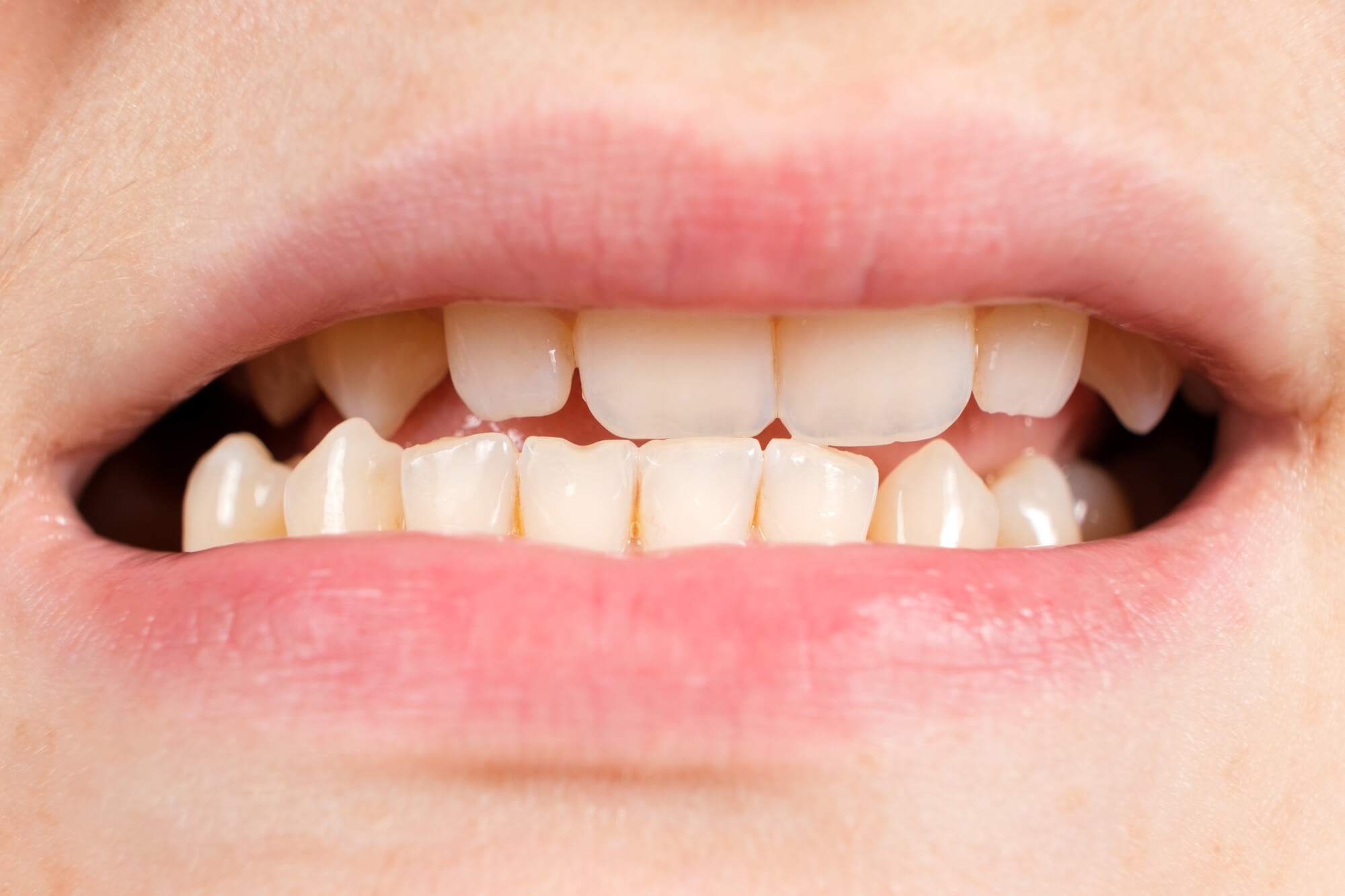
Malocclusion is a common dental problem worldwide due to poor teeth alignment. This makes certain vital oral functions like chewing, biting, and speaking challenging. However, orthodontists are specially trained in treating all types of malocclusion.
Our renowned dentist in Los Gatos is an acclaimed dental professional who offers advanced treatments for malocclusion.
What is malocclusion?
Malocclusion, popularly known as “bad bites,” is a clinical term for poorly aligned teeth. It is characterized by an incorrect relationship between the maxilla (upper jaw) and the mandible (lower jaw). This can lead to a series of dental problems like overbite, underbite, crossbite, and overcrowding. As a result, your oral hygiene can be compromised, leading to a cascade of dental problems like decay and gum disease.
What are the types of malocclusion classes?
There are three types of malocclusion, namely:
Class I
- This is a Class I bite with an overlap of the upper teeth over the lower teeth.
- Class I malocclusion has further subcategories:
- Type I: Your teeth lean towards the tongue
- Type II: Your lower teeth are angled towards the tongue, and upper teeth project out in narrow arches
- Type III: Your upper teeth are crowded and lean towards the tongue
Class II
- This is the same as class I but more severe and can alter your bite.
- Subcategories include:
- Division I: Your upper teeth lean toward the lips
- Division II: Your upper central incisors lean toward the tongue
Class III
- This is a type of underbite (prognathism) where the lower teeth project out over the upper teeth
- Subcategories include:
- Type I: Your teeth form an abnormally shaped arch
- Type II: Your lower front teeth are angled towards the tongue
- Type III: The upper arch is abnormal, and the upper teeth are angled toward the tongue
What causes malocclusion?
The following are the major causes of dental malocclusion:
- Genetics
- Tooth loss
- Prolonged use of a pacifier
- Bottle feeding
- Thumb sucking
- Cleft lip and palate
- Injuries and trauma
- Tumors and cysts in the mouth
- Impacted tooth
- Poor oral care
- Airway obstruction due to enlarged adenoids
What are the ill effects of malocclusion?
Depending on the type of malocclusion, symptoms include:
- Misaligned teeth
- Mastication and speech problems
- Frequent tongue or cheek-biting
- Altered facial form and structure
- Increased susceptibility to tooth decay and gum disease
- Headaches and myofascial pain due to excess pressure on the TMJ
How do dentists treat malocclusion?
Several orthodontic appliances help correct overbite, underbite, or crossbite. These include:
- Fixed multibracket metal braces
- Removable clear braces (Invisalign)
- Removable devices (retainers or headgear)
It’s never too late to get treated for malocclusion since, if left untreated, it can have multiple consequences that can affect your oral health and well-being.











Comments