
 By
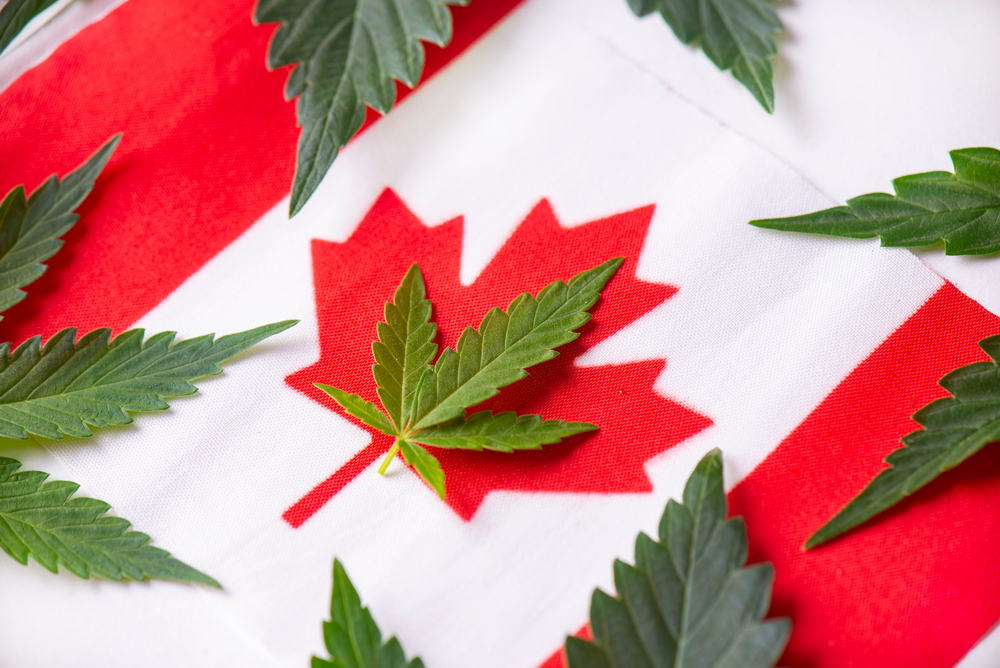
Congress and the White House have been toying with the possibility of enacting marijuana reform since President Joe Biden took office. Meanwhile, north of the border, Canada has tried earnestly to balance both medical and recreational marijuana programs since 2018. Their success has been questionable, so much so that it is beginning to look like the medical side of things might ultimately collapse.
Could the U.S. learn a lesson here? Absolutely. There is a fine line between necessary regulation and unnecessary meddling. When governments meddle, they almost always break things. Such has been the case in Canada.
Medical Cannabis Is Collapsing
Like so many states, Canada did not jump into recreational marijuana right away. They started with medical cannabis. Once marijuana advocates got that foot in the door, the push for recreational use was on. The dream was realized when recreational marijuana was approved in 2018. But guess what? Medical cannabis started tanking right away.
Just prior to recreational legalization, there were 345,520 active medical cannabis registrations in Canada. Patients received their medical marijuana from Health Canada, the country’s nationalized healthcare system. Unfortunately, 2018 was the peak. Today, there are just 212,700 registrations. That represents a 38% drop in just under five years.
In addition, data shows overall spending in the medical cannabis sector down over the last five years. Everyone from patients to healthcare providers to the industry itself is choosing to put their money elsewhere.
The Tax Didn’t Do It
Regulators suspected that legalizing recreational marijuana would encourage medical patients to skip the healthcare system in favor of buying pot from recreational dispensaries. They decided the best way to stop that from happening was to tax both recreational and medical marijuana at the same rate. Guess what? The tax did not do it.
Why? First of all, recreational marijuana is still cheaper even with the tax. Second, customers can visit a marijuana dispensary rather than having to order medical cannabis from the health system and wait for it to be shipped. And third, recreational users do not have to see a doctor or get registered. Medical patients tired of the hassles linked to registration would rather just go buy from dispensaries.
Destroy the Medical Market
Although marijuana regulation in the U.S. is anything but ideal, at least have working medical programs in more than three dozen states. Utah is one of them. The marijuana experts at Utah Marijuana say that the Beehive State’s medical program strikes a nice balance between the need for regulation and entrepreneurial freedom.
Although Utah’s medical cannabis program is among the strictest in the nation, it is also one of the most robust and reliable. Things work smoothly in Utah. Businesses are thriving and patients are enjoying greater access as time goes by. But all that could go away should Washington decide to decriminalize marijuana.
If federal lawmakers are looking for a way to destroy the medical market completely, all they need to do is craft legislation that removes marijuana from the Controlled Substances Act (CSA). Doing so would encourage medical cannabis users to skip burdensome state requirements and head right to recreational dispensaries. Case closed. Game over. Drop the mic.
No Easy Way Out
Industry representatives in Canada are calling on the government to do something about the collapsing medical marijuana market. But at this point, there is no easy way out. Regulators have already messed things up pretty badly. Expecting the government fix to a problem it willingly created does not make a lot of sense. Then again, little about marijuana legalization does.











Comments