
 By
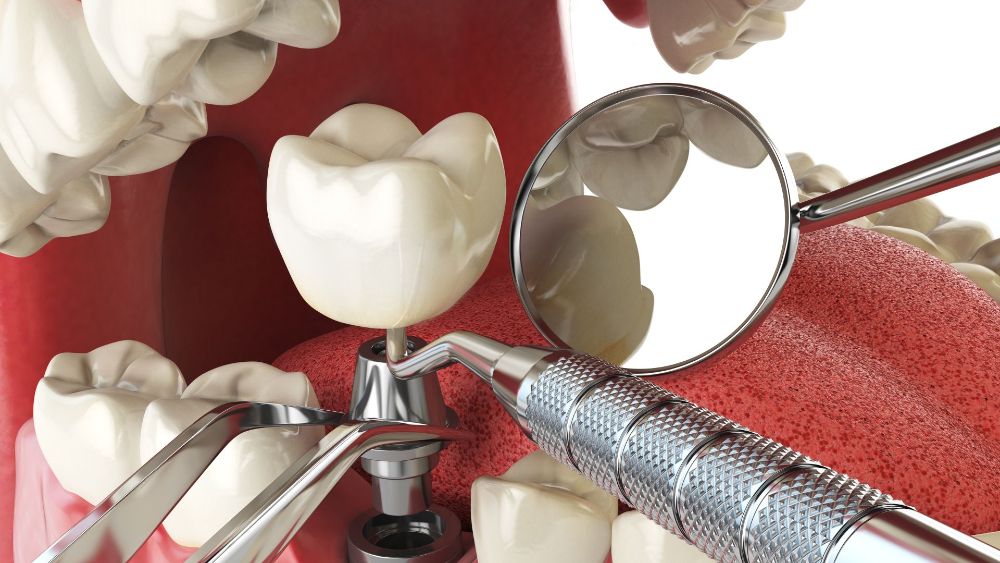
Getting dental implants might be one of the best decisions you make for your overall oral health and self-esteem. However, thinking about the surgery could make you feel nervous and anxious. What if we told you that you don’t have to worry about pain or discomfort when undergoing dental implant surgery? Anesthesia options ensure a comfortable and pain-free experience during the procedure. In this article, we will learn about the different types of anesthesia available and how they can benefit you.
Local Anesthesia
Local anesthesia is the most common type of anesthetic used during dental implant surgery. It numbs the area where the implant will be inserted and helps to keep you comfortable throughout the procedure. This form of anesthesia works by blocking pain signals from being sent from your nerves to your brain. The effects last anywhere from a few hours to a day after the procedure, depending on how much anesthesia is administered.
Oral Sedation
For patients with moderate dental anxiety or those having more extensive dental work, oral sedation can be an excellent option. It involves taking a sedative pill an hour before the procedure to help calm your nerves and reduce any anxiety. You will remain conscious but in a relaxed state. You might feel drowsy and have limited memory of the procedure afterward. Make sure to arrange for a companion to drive you home after the surgery.
IV Sedation
Intravenous (IV) sedation involves administering sedative medication through a vein, allowing the medication to work quickly and be easily adjusted by the dental team as needed. With IV sedation, you may sleep through surgery or stay in a twilight state between wakefulness and sleep. This option is suitable for patients with more severe dental anxiety or for those undergoing longer, more complex procedures.
General Anesthesia
General anesthesia is a less commonly used option for dental implant procedures but may be necessary for patients with severe anxiety or for particularly complex cases. Under general anesthesia, you are unconscious and fully asleep for the entire surgery. This option requires more advanced monitoring and post-op care, so dentists generally use this type of anesthesia only when necessary.
To Sum Up
No matter which anesthesia option you choose, dental implant procedures can be a comfortable experience if done with the proper anesthetic. Your dental team will work closely to ensure that your individual needs and expectations are being met. Make sure to discuss all of your options thoroughly to make an informed decision that is best for you. By being aware of all the options for dental implant anesthesia in Phoenix, you can make the best decision for your individual needs. And with the help of an experienced dental professional, you can have a worry-free experience from start to finish!










Comments