
 By
Your confidence and self-image can be greatly affected by hair loss, which is why many people look into long-term fixes. Among the most effective and popular options is a hair transplant—a procedure designed to restore thinning or balding areas using your own hair. Many individuals considering hair transplants UK are drawn to the region’s advanced clinics and experienced surgeons known for delivering natural, high-quality results. But before committing, it’s crucial to understand the process, benefits, risks, and expectations involved. This guide covers everything you need to know before undergoing a hair transplant.
What Is A Hair Transplant?
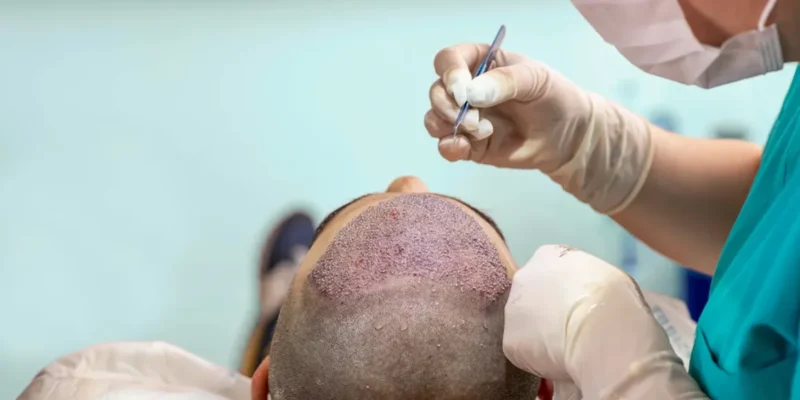
Hair follicles from a donor area—usually the back or sides of the scalp—are surgically transferred to areas with thinning or no hair in a hair transplant. The objective is to fill in areas where growth has slowed or stopped and create a hairline that looks natural. There are two primary techniques:
- FUT (Follicular Unit Transplantation): Involves cutting off a section of the donor area’s scalp and dividing it into grafts.
- FUE (Follicular Unit Extraction): Involves extracting individual follicles directly from the donor area.
Both approaches work well, and the best option for you will rely on your goals, hair type, and degree of hair loss.
Who Is A Good Candidate?
Not everyone is an ideal candidate for this surgery. Typically, good candidates:
- Have stabilized hair loss (not actively shedding rapidly).
- Possess sufficient donor hair at the back or sides of the head.
- Are in good general health.
- Have realistic expectations about the results.
People with certain medical conditions or those experiencing diffuse hair thinning might not be suitable for the procedure. A professional consultation is essential to determine candidacy. Hair transplant costs can vary widely depending on the technique used, the number of grafts needed, and the expertise of the surgeon performing the procedure.
Pre-Procedure Considerations
Your doctor will examine your scalp, go over your medical history, and talk with you about your expectations prior to surgery. You might be advised to:
- Steer clear of alcohol and tobacco in the days before the procedure.
- Stop taking certain medications that could interfere with healing.
- Arrange for post-op care and time off work (typically 1–2 weeks).
Preparing ahead ensures a smoother experience and reduces the risk of complications.
What To Expect During The Procedure?
Depending on the number of grafts, hair transplant surgery can take four to eight hours and is typically carried out under local anesthesia. You’ll be awake but won’t feel pain in the treated area. During the procedure, hair follicles are harvested, prepared under a microscope, and then carefully implanted into the recipient areas following your natural hair growth pattern.
The surgical team pays close attention to the angle and density of placement to ensure results look natural.
Recovery And Aftercare
Recovery is generally straightforward, but you’ll need to follow specific aftercare instructions. During the first few days, swelling, redness, and mild discomfort are typical. Crusting may form around the transplanted hairs but typically resolves within a week.
Key tips for recovery include:
- Avoiding strenuous activity for at least a week.
- Not scratching or touching the transplant area.
- Sleeping with your head elevated for a few nights.
- Using only doctor-recommended products on your scalp.
Most patients can return to work within 5–7 days, although complete healing and hair regrowth take more time.
Results And Expectations
Patience is vital. Transplanted hairs often fall out within the first few weeks—a normal part of the cycle. New growth typically begins around 3–4 months post-op, with more visible results appearing at 6–9 months. Full results can take up to a year.
While a transplant can significantly improve hair density and appearance, it doesn’t prevent future hair loss in untreated areas. Maintenance treatments like PRP therapy or medications may be recommended to preserve overall hair health. Many individuals considering hair transplants London are drawn to the region’s advanced clinics and experienced surgeons known for delivering natural, high-quality results.
Final Thoughts
When handled with the proper expectations and expert advice, getting a hair transplant can be a decision that changes your life. By understanding the procedure, risks, recovery, and long-term care, you’ll be better prepared to make an informed choice. Consulting with a reputable clinic and experienced surgeon is the most important step toward achieving natural, lasting results.









Comments